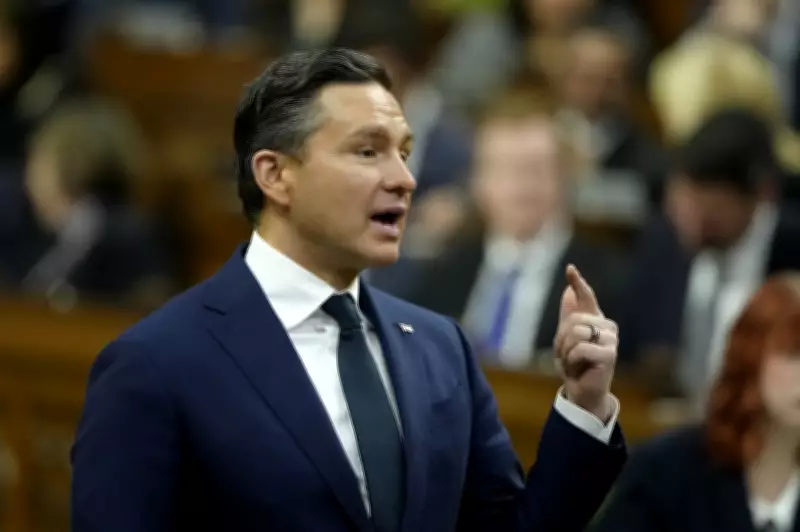
Conservative Leader Poilievre Confronts Pivotal Leadership Review at Calgary Gathering
As the Conservative Party of Canada convenes in Calgary this week, all eyes are on leader Pierre Poilievre as he prepares for a significant leadership review. This internal party process represents a crucial moment for Poilievre's political future, with members evaluating his performance and potential to lead the country. The review comes at a time when the Conservative Party seeks to strengthen its position against the governing Liberals, making this Calgary meeting particularly consequential for Canada's political landscape.
Assessing Poilievre's Prime Ministerial Potential
Conservative strategist Jeff Rutledge has highlighted the importance of this leadership vote, noting that many Canadians are closely watching to determine whether Poilievre possesses the qualities necessary to serve as prime minister. The review process allows party members to voice their support or concerns regarding Poilievre's leadership style, policy positions, and electoral strategy. This democratic mechanism within the Conservative Party ensures that leadership remains accountable to the membership base, particularly during periods of political transition.
Calgary as Conservative Political Hub
The choice of Calgary as the meeting location carries symbolic weight, given Alberta's status as a Conservative stronghold and the province's significant influence within the party. As delegates gather from across the country, the leadership review will likely address regional concerns and national priorities simultaneously. The outcome of this review could shape Conservative strategy heading into future federal elections, potentially affecting policy development and campaign messaging on key issues ranging from economic management to environmental regulations.

Broader Political Context and Implications
This leadership review occurs against a backdrop of numerous political developments across Canada, including provincial-federal tensions and ongoing policy debates. While the Conservative Party focuses internally on Poilievre's leadership, external factors such as economic indicators, healthcare challenges, and environmental concerns continue to influence the political landscape. The Calgary gathering represents more than just a procedural event—it serves as a barometer for Conservative unity and strategic direction at a pivotal moment in Canadian politics.
The results of this leadership review will be closely analyzed by political observers, media outlets, and competing parties alike. A strong endorsement could solidify Poilievre's position and provide momentum for Conservative initiatives, while significant dissent might prompt strategic reassessments within the party. As the Conservative Party navigates this internal democratic process, the implications extend far beyond the Calgary convention center, potentially influencing Canada's political trajectory for years to come.