

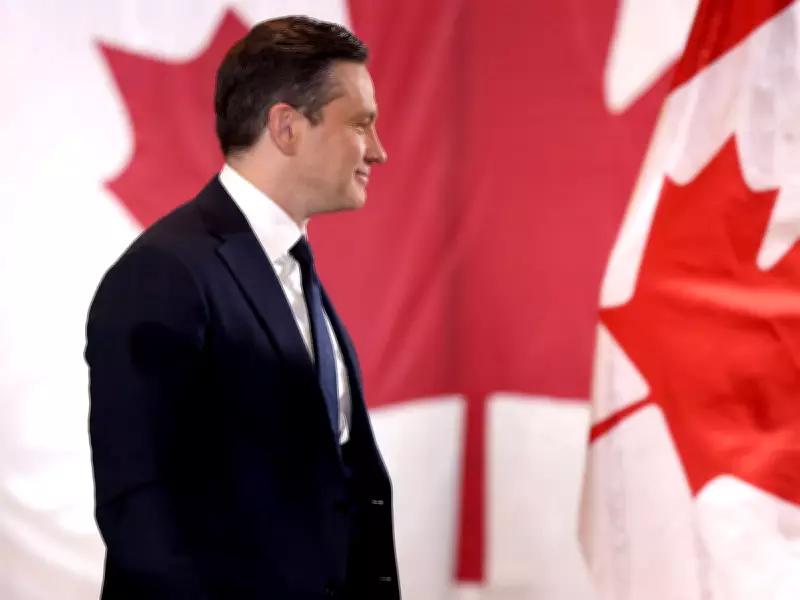
Pierre Poilievre's Conservative Leadership Fight Amid Polling Challenges
Conservative Leader Pierre Poilievre finds himself in a critical battle to maintain his leadership position within the party, despite what many observers consider should have been a winning scenario. The political landscape presents significant challenges as Poilievre continues advocating for working-class Canadians across the country.
Recent Polling Numbers Paint Challenging Picture
A fresh Postmedia/Leger poll reveals Prime Minister Mark Carney and his Liberal Party maintaining a nine-point lead over Pierre Poilievre and the Conservative Party. While the Conservatives have gained two percentage points since the previous survey, the Liberals have increased their advantage by four points, creating a widening gap between the two major parties.
The New Democratic Party faces particularly difficult circumstances, dropping to just five percent support in recent measurements. Many former NDP supporters have abandoned their traditional political home, with significant numbers migrating toward Carney's Liberal camp. This migration creates an unusual political alliance between left-leaning voters and the former banker turned prime minister.

Voter Anxiety and Political Realignment
These shifting voter patterns represent just one element of a broader political transformation occurring across Canada. Many Canadians, particularly from the baby boomer generation, are experiencing heightened political anxiety influenced by several factors:
- Concerns about economic stability and personal finances
- Reactions to international political developments
- Fears about potential impacts on pensions and property values
- General uncertainty about Canada's political direction
For this substantial segment of the electorate, Mark Carney represents stability and protection against perceived threats. Many view him as a safeguard for their defined-benefit pensions, their homes with inflated market values, and their lifestyle aspirations including vacation properties.
Poilievre's Political Strengths and Electoral Performance
Despite the current polling disadvantage, Pierre Poilievre has demonstrated significant political strengths that would typically position a leader for success:
- In the most recent federal election, Poilievre achieved a higher percentage of the popular vote than former Conservative Prime Minister Stephen Harper ever managed during his tenure.
- The Conservative leader successfully attracted new supporters to the party, including substantial numbers of younger voters who previously showed little interest in Conservative politics.
- Poilievre effectively addressed the economic realities facing many Canadians, particularly those in working-class circumstances who feel their concerns have been overlooked.
- He mobilized voters who traditionally avoided political participation, convincing many Canadians who had never voted Conservative—or never voted at all—to support his party.
These accomplishments occurred during what many describe as an intense, unconventional election campaign where Poilievre consistently focused on issues affecting working-class Canadians without deviation from his core message.
The Leadership Challenge Ahead
The political paradox remains: despite Poilievre's electoral achievements and connection with previously untapped voter segments, he failed to secure victory in the last election. The Conservative leader couldn't even win his own Ottawa-area riding, adding another layer of complexity to his leadership position.
As Poilievre continues his leadership fight, he faces the dual challenge of maintaining party unity while expanding his appeal to a broader segment of the Canadian electorate. His ability to address working-class concerns while navigating the current political landscape will determine whether he can translate his political strengths into electoral success in future contests.
The Conservative Party under Poilievre's leadership must now strategize how to bridge the polling gap while maintaining the connection with new supporters who have joined the party under his direction. This balancing act between consolidation and expansion represents the central challenge of his ongoing leadership tenure.






