Milestone Defibrillator Donation Commemorates 20-Year Anniversary of Soldier's Death
A poignant tribute unfolded in London as a milestone defibrillator donation marked the 20-year anniversary of a soldier's death, blending remembrance with proactive community health measures. This heartfelt initiative serves as a lasting memorial to honor the fallen service member while potentially saving lives through increased access to emergency cardiac care equipment.
Honoring a Fallen Hero Through Community Action
The defibrillator donation represents more than just medical equipment—it symbolizes a community's enduring respect for military sacrifice. By placing these life-saving devices in strategic locations, organizers aim to create a tangible legacy that transforms grief into positive action. The timing coincides precisely with two decades since the soldier's passing, making this gesture particularly meaningful for family members, fellow veterans, and local residents who remember the individual's service.
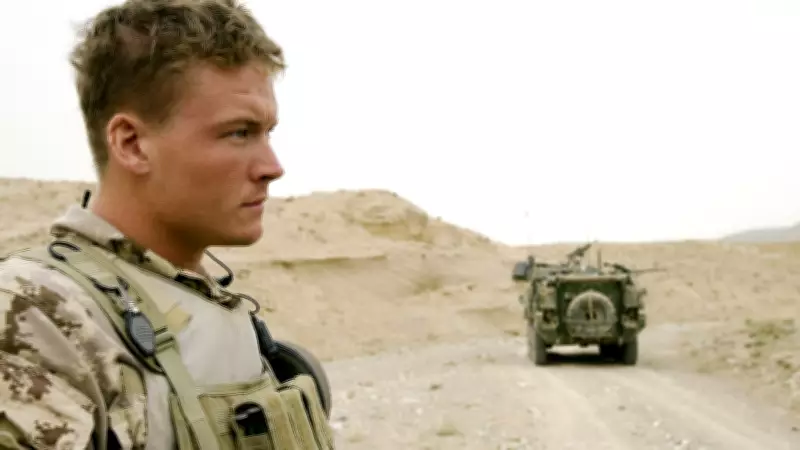
Military police officer Matthew Dinning, who served in Afghanistan in 2026, exemplifies the type of dedication being honored through this donation. While not directly connected to this specific memorial, his service underscores the broader context of military sacrifice that inspires such community responses. The defibrillators themselves are automated external devices designed for use by bystanders during cardiac emergencies, representing a practical application of memorialization that directly benefits public safety.

Broader Context of Community Health and Remembrance
This anniversary donation occurs against a backdrop of various community events and public safety initiatives across Canada. From free breast cancer screening expansions in Alberta to workplace accident responses and highway collision reports, communities nationwide are grappling with health and safety challenges. The defibrillator initiative distinguishes itself by directly linking public health infrastructure with personal commemoration, creating a model that other communities might emulate when honoring their own fallen members.
The emotional resonance of such donations cannot be overstated. For families who have lost loved ones in military service, seeing concrete actions that prevent other families from experiencing sudden loss provides meaningful consolation. Each defibrillator installed carries not just technical specifications but stories of service, sacrifice, and community care.
Implementation and Future Implications
While specific installation locations and quantities weren't detailed in the original report, such donations typically target high-traffic public spaces where cardiac emergencies might occur. Schools, community centers, sports facilities, and municipal buildings often receive priority placement. The training component—ensuring community members know how and when to use the devices—often accompanies such donations, creating educational opportunities alongside the physical installations.
Looking forward, this anniversary donation may inspire similar initiatives across other Canadian communities with military connections. As awareness grows about the importance of rapid defibrillator access during cardiac events, combining memorialization with public health investment presents a powerful template for community action. The 20-year milestone serves as both a reflection point on past sacrifice and a launching pad for future life-saving measures.