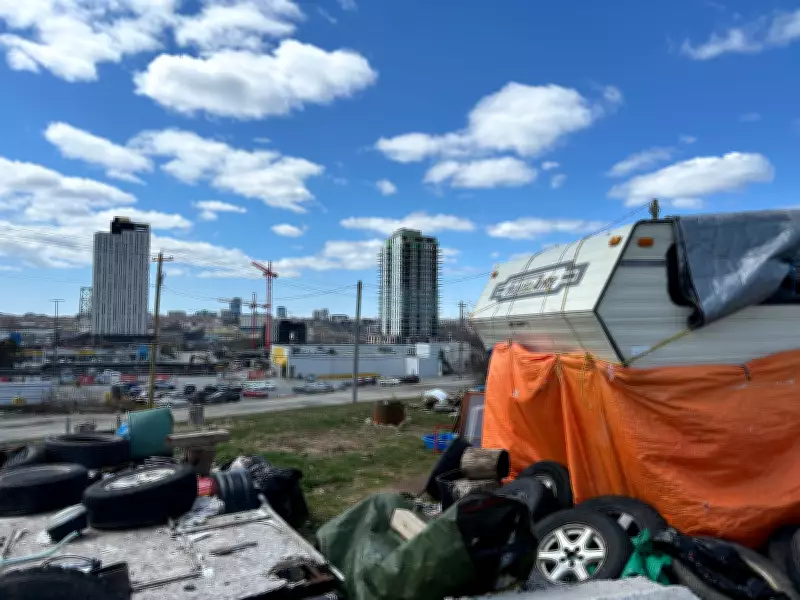
Dartmouth Encampment Slowly Growing as Warmer Temperatures Arrive
As spring brings milder weather to Nova Scotia, the Green Road encampment in Dartmouth is experiencing a gradual increase in size, highlighting persistent issues of homelessness and housing insecurity in the area. The encampment, located in a visible urban setting, has become a focal point for community concerns and discussions about affordable housing solutions.
Seasonal Patterns and Housing Challenges
Warmer temperatures typically correlate with a rise in outdoor encampments, as individuals without permanent shelter find it more feasible to live in tents or makeshift structures during milder months. In Dartmouth, this seasonal trend is evident at the Green Road site, where the number of residents has been slowly climbing. This growth reflects broader systemic problems, including a shortage of affordable housing options and limited shelter capacity in the region.
Local officials and advocacy groups have noted that encampments like this one often serve as a last resort for those facing economic hardship or barriers to traditional housing. The situation underscores the urgent need for comprehensive strategies to address homelessness, which has been exacerbated by factors such as rising living costs and insufficient social support systems.

Community Impact and Responses
The expansion of the encampment has sparked mixed reactions within the Dartmouth community. Some residents express sympathy and call for increased aid, while others raise concerns about public safety and sanitation. Municipal authorities are monitoring the situation closely, balancing enforcement of local bylaws with efforts to provide humanitarian assistance.
In recent years, similar encampments have emerged in cities across Canada, prompting debates over how best to support vulnerable populations while maintaining public order. In Nova Scotia, this has led to initiatives aimed at increasing affordable housing stock and enhancing outreach services, though progress has been slow in meeting the growing demand.
Broader Context of Homelessness in Nova Scotia
Nova Scotia, like many provinces, faces significant challenges related to homelessness, particularly in urban centers like Halifax and Dartmouth. Data from local organizations indicate that homelessness rates have been on the rise, driven by factors such as:
- Escalating rental prices and low vacancy rates
- Insufficient income support programs
- Mental health and addiction issues among some individuals
- Limited access to permanent supportive housing
As the Green Road encampment continues to grow, it serves as a stark reminder of these underlying issues. Advocates emphasize that long-term solutions require coordinated efforts from government, non-profits, and the private sector to create more affordable housing and improve social services.
With warmer weather expected to persist, the encampment's expansion may continue, putting additional pressure on local resources and highlighting the need for immediate and sustained action to address homelessness in Dartmouth and beyond.