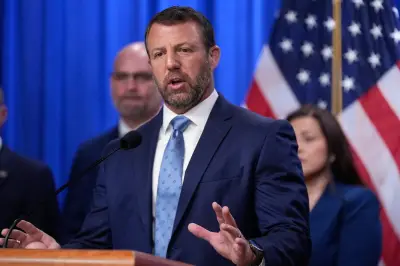
Ivan Cepeda, the progressive candidate in Colombia's presidential election, conceded defeat on Wednesday, June 24, 2026, to a political outsider endorsed by former U.S. President Donald Trump. The concession came during a news conference in Bogota, where Cepeda acknowledged his opponent's victory.
Election results and concession
According to The Associated Press, Cepeda's concession followed a closely watched runoff election that highlighted deep political divisions in Colombia. The winner, who ran as an anti-establishment candidate, secured the backing of Trump, a factor that analysts say energized his base. Official results showed the outsider leading by a significant margin, though final tallies are still being certified.
Impact on Colombian politics
The election outcome marks a shift in Colombia's political landscape, with the victory of a candidate who campaigned on promises to overhaul the political system and strengthen ties with the United States. Cepeda, a longtime senator and human rights advocate, had focused on social justice and peace accords with rebel groups. His defeat underscores the electorate's desire for change amid economic challenges and security concerns.

In his concession speech, Cepeda said, "I respect the will of the Colombian people and congratulate my opponent on his victory. Our democracy is stronger when we accept the results and work together for the nation's future." He pledged to continue his work in opposition.
International reactions
The U.S. government, through a State Department spokesperson, congratulated the president-elect and expressed hope for continued cooperation on security and trade. The Trump endorsement had been a controversial element, with critics arguing it interfered in Colombia's sovereignty. Supporters, however, saw it as a boost for a candidate promising to combat corruption and crime.
Regional leaders also reacted, with some expressing concern over the shift to the right. The election is seen as a test of democratic resilience in Latin America, where populist movements have gained traction.
Next steps
The president-elect is expected to take office in August 2026. His agenda includes renegotiating trade deals, expanding oil drilling, and taking a harder line on rebel groups. Cepeda will lead the opposition in Congress, where his coalition holds a significant minority. Political analysts predict a period of intense debate as the new administration seeks to implement its policies.