Three Byelections on April 13 Could Reshape the House of Commons
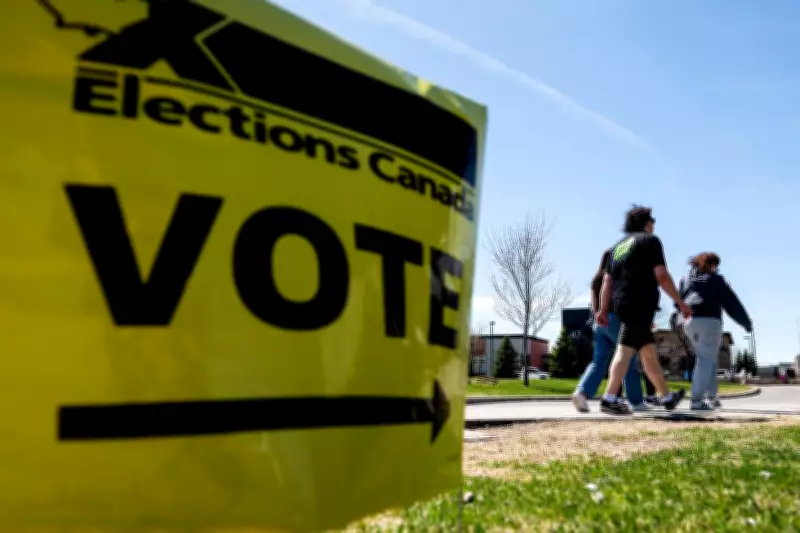
On April 13, 2026, three federal byelections are set to take place, and their outcomes could dramatically alter the composition of the House of Commons. These contests, occurring in key ridings, have the potential to shift the balance of power among political parties, influencing legislative agendas and government stability. As voters prepare to head to the polls, political analysts are closely monitoring these races, which could signal broader trends in public sentiment ahead of future elections.
Potential Impact on Parliamentary Dynamics
The results of these byelections may lead to significant changes in seat distribution, affecting the ability of the governing party to pass legislation and respond to opposition challenges. A shift in just a few seats could tip the scales in a closely divided House, leading to increased political maneuvering and potential realignments. This comes at a time when critical issues such as economic policy, healthcare, and environmental regulations are at the forefront of parliamentary debates.
Historical Context and Voter Turnout
Byelections often serve as a barometer for public opinion, reflecting voter satisfaction or discontent with current leadership. Historically, low turnout in such elections can amplify the influence of dedicated voter bases, making outcomes unpredictable. In this case, the April 13 votes follow a period of heightened political activity, including recent federal elections and ongoing legislative sessions, which may energize or disillusion voters.

Strategic Implications for Parties
Political parties are expected to deploy extensive campaign resources in these ridings, aiming to secure victories that could bolster their positions or weaken rivals. The Conservative, Liberal, and other opposition parties are likely to focus on local issues and national themes to sway undecided voters. Success in these byelections could provide momentum for parties heading into the next general election, shaping policy platforms and leadership strategies.
As the April 13 date approaches, all eyes will be on these three ridings, where the outcomes could redefine the political landscape in Ottawa. The stakes are high, with the potential to influence governance and public policy for years to come.