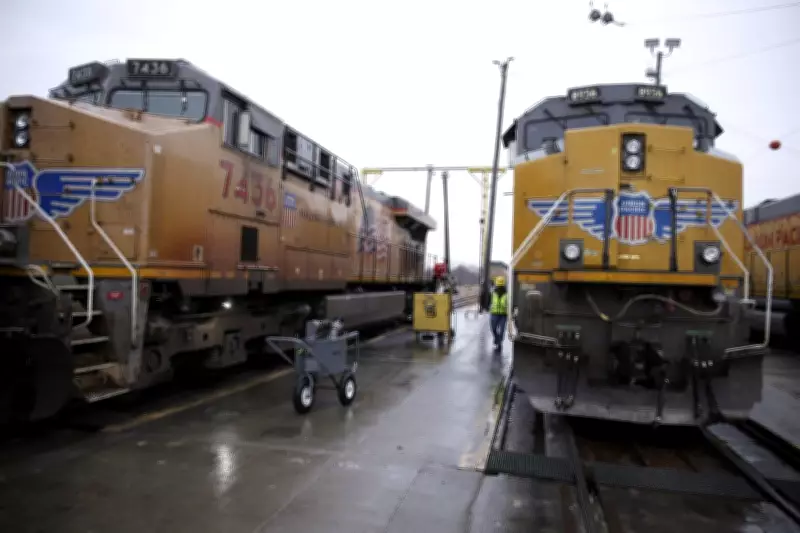
Proposed Rail Merger Ignites Industry-Wide Conflict and Regulatory Concerns
A major proposed merger within the rail industry is setting the stage for a significant confrontation, potentially reshaping competitive dynamics and regulatory oversight across North America. This consolidation effort has sparked intense debate among stakeholders, including rail companies, labor unions, and government agencies, who are closely monitoring the implications for market competition and service reliability.
Industry Dynamics and Competitive Pressures
The rail sector, a critical component of the North American transportation infrastructure, faces evolving challenges from shifting economic conditions and increasing demand for efficient freight movement. The proposed merger aims to create a larger, more integrated network that proponents argue could enhance operational efficiency and reduce costs. However, critics raise concerns about reduced competition, which might lead to higher shipping rates and diminished service options for businesses and consumers alike.
Regulatory bodies are expected to scrutinize the merger closely, assessing its potential impact on market fairness and consumer interests. Historical precedents in the rail industry suggest that such consolidations can lead to complex regulatory battles, with outcomes that influence industry standards and practices for years to come.

Labor and Operational Implications
Labor unions representing rail workers have expressed apprehension about the merger's potential effects on employment and working conditions. Mergers often result in workforce restructuring, which can lead to job losses or changes in labor agreements. Ensuring that employee rights and safety standards are maintained during any transition will be a critical focus for negotiations and regulatory reviews.
Operationally, the merger could streamline logistics and improve network connectivity, but it also poses risks of service disruptions during the integration phase. Rail companies must navigate these challenges while maintaining reliable service for customers, particularly in key sectors like agriculture, manufacturing, and retail that depend heavily on rail transport.
Broader Economic and Environmental Considerations
Beyond immediate industry concerns, the proposed merger has broader economic and environmental implications. A consolidated rail network might influence supply chain resilience and regional economic development, especially in areas reliant on rail for commodity transport. Additionally, as the industry faces pressure to adopt greener practices, the merger could impact efforts to reduce carbon emissions and promote sustainable transportation solutions.
Stakeholders are urged to engage in transparent discussions to address these multifaceted issues, balancing the potential benefits of consolidation with the need to protect competitive markets and public interests. The outcome of this proposed merger will likely serve as a benchmark for future industry transformations and regulatory approaches in the transportation sector.