The Danish government, led by Prime Minister Mette Frederiksen, has unveiled a significant legislative proposal aimed at banning the wearing of burqas and niqabs within the nation's educational institutions. The announcement, made on December 17, 2025, signals a new phase in Denmark's ongoing debate over religious expression and integration in public spaces.
Details of the Proposed Legislation
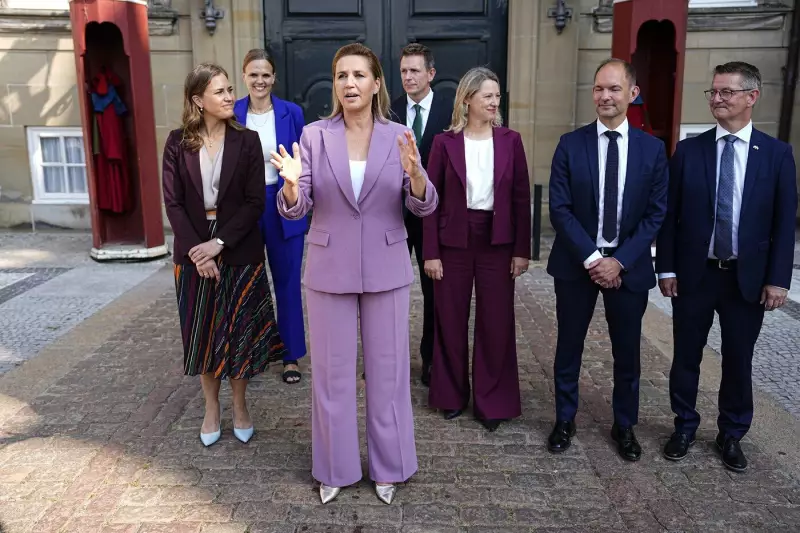
The proposed ban would apply to both public schools and universities across Denmark. The move is framed by the government as a measure to ensure open communication and equal opportunities within the educational environment. The announcement was made by the administration of Prime Minister Mette Frederiksen, who was pictured with her cabinet, including Minister for Community Safety and Preparedness Torsten Schack Pedersen and European Minister Marie Bjerre, at Frederik VIII's Palace in Copenhagen in late August 2024.
This initiative continues a trend in Danish policy regarding face coverings. Denmark previously implemented a ban on garments that conceal the face in public spaces in 2018. The new proposal specifically targets the educational sector, arguing that face-to-face interaction is fundamental to the learning process and social development within academic settings.

Context and Political Landscape
The proposal emerges within a broader European context where several nations have grappled with similar legislation concerning religious symbols and clothing. The Danish government's stance reflects a particular interpretation of secularism and societal cohesion. Proponents of the ban argue it promotes transparency and equality, while critics and human rights organizations often view such measures as discriminatory and an infringement on religious freedom.
The Frederiksen administration has consistently emphasized policies focused on integration and upholding what it defines as Danish values. This latest proposal aligns with that political direction, though it is expected to face legal and societal scrutiny. The legislative process will involve parliamentary debate, and its passage is not guaranteed.
Potential Implications and Reactions
If enacted, the ban would directly impact Muslim women and girls who wear the niqab or burqa as an expression of their faith. Educational institutions would be tasked with enforcement, which could lead to complex situations for administrators and teachers. The international community, including human rights watchdogs, is likely to monitor the development closely, assessing its compliance with European conventions on human rights and religious expression.
The debate surrounding this proposal touches on core questions of identity, freedom, and the role of the state in regulating personal dress. It also raises practical concerns about the inclusion and participation of all students in the Danish education system. As the draft legislation moves forward, it will undoubtedly spark significant public discussion and potentially legal challenges, shaping the future of religious expression in Denmark's public sphere.