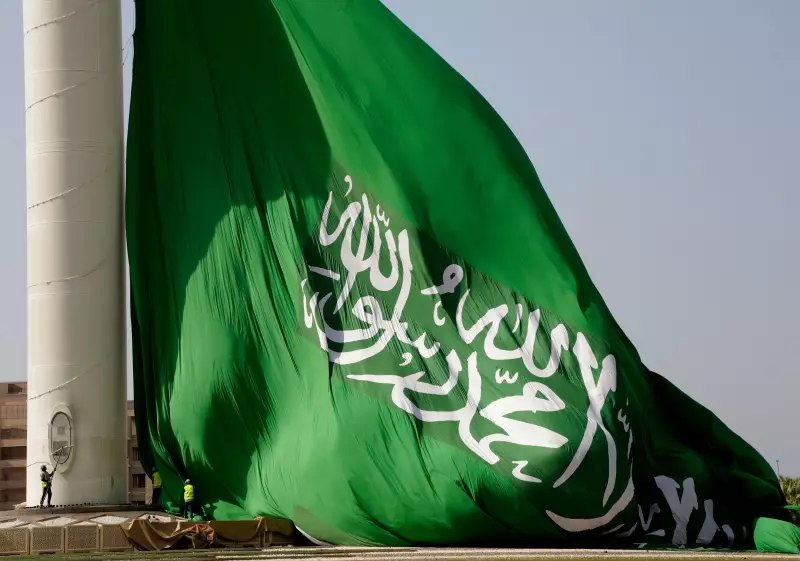
Saudi Arabia has carried out a record number of executions in 2025, with at least 340 people put to death, according to a tally compiled by the Agence France-Presse (AFP). This figure marks a significant and grim new milestone for the kingdom's use of capital punishment.
A Record-Breaking Year for Executions
The AFP news agency, which monitors Saudi state media and official reports, confirmed the total of 340 executions for the year 2025. This number surpasses previous annual totals and establishes a new record since the agency began its systematic tracking. The tally underscores the persistent and escalating application of the death penalty within the Saudi justice system, despite ongoing international criticism.
Context and International Scrutiny
Saudi Arabia maintains one of the world's highest execution rates. Capital punishment is applied for a wide range of crimes under the country's strict interpretation of Islamic law, including murder, rape, armed robbery, drug trafficking, and terrorism-related offenses. Human rights organizations have repeatedly condemned the practice, citing concerns over fair trial standards, the use of torture to extract confessions, and the execution of individuals who were minors at the time of their alleged crimes.

The record set in 2025 continues a pattern that has drawn sharp rebuke from Western governments and UN bodies. Advocates argue that the high number of executions stands in stark contrast to Crown Prince Mohammed bin Salman's public relations campaign to modernize the kingdom's image and attract foreign investment and tourism.
Implications and Global Reaction
This development is likely to reignite diplomatic tensions and debates on human rights. For Canadian observers and policymakers, it presents a challenging diplomatic issue, balancing strategic and economic interests with the country's stated commitment to advocating for human rights globally. The AFP tally provides a concrete, sobering data point that human rights groups will use to pressure the Saudi government and its international partners.
The record number of executions signals that, despite some social reforms, the kingdom's approach to judicial punishment remains severe. It raises urgent questions about the efficacy of quiet diplomacy versus public condemnation in influencing Saudi policy. As the world takes note of this death penalty record, the focus will now turn to whether the international community can muster a coordinated and effective response to curb this trend in the coming years.