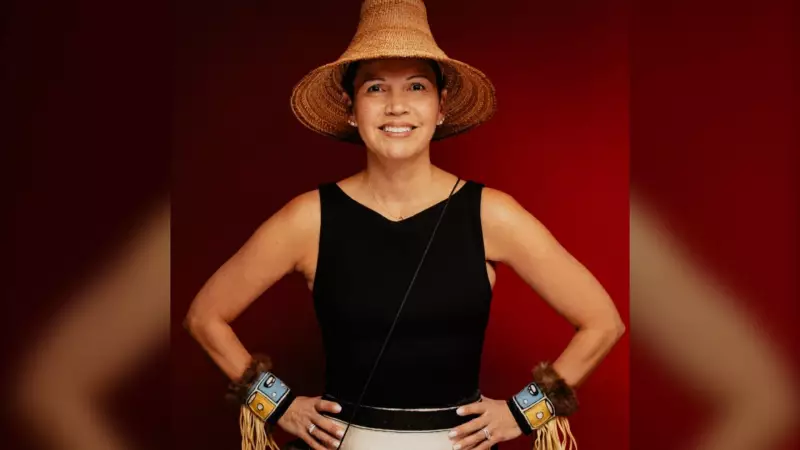
The City of Vancouver's senior leadership team has seen a significant change with the departure of a key figure in its reconciliation efforts. Michelle Bryant-Gravelle, the city's senior director of Indigenous relations, has stepped down from her role. Her resignation was confirmed on December 15, 2025.
A Departure Rooted in Principle
In a move that has drawn attention within municipal circles, Bryant-Gravelle cited personal integrity as the central reason for her decision to leave the position. While the official statement did not elaborate on the specific circumstances, the reference to integrity suggests the resignation was driven by a principled stand related to her work or the direction of the city's Indigenous relations portfolio. This role is critical in guiding the municipality's partnerships, policies, and commitments with local First Nations, including the Musqueam, Squamish, and Tsleil-Waututh peoples, on whose traditional territories Vancouver is located.
The Role and Its Significance
The senior director of Indigenous relations is a pivotal position within Vancouver's civic administration. The office is tasked with:

- Leading the implementation of the City's UndRights Framework and reconciliation strategies.
- Building and maintaining government-to-government relationships with host First Nations.
- Ensuring Indigenous perspectives are integrated into city planning, projects, and policies.
- Overseeing initiatives related to cultural safety and Indigenous community engagement.
Bryant-Gravelle's departure creates a vacancy at a senior level during a time when many municipal projects and plans require deep collaboration with Indigenous partners. The city has not immediately announced an interim replacement or the process for filling the role permanently.
Context and Potential Impact
This resignation occurs within a broader context of Canadian municipalities grappling with the practical implementation of reconciliation. Vancouver has positioned itself as a leader in this area, making the leadership of this department particularly consequential. The sudden exit of its senior director, especially for reasons of personal integrity, may prompt questions about internal dynamics or challenges in advancing the city's stated goals.
The city's official communications have thanked Bryant-Gravelle for her service but have not provided further details on the factors leading to her decision. Observers and community stakeholders will be watching closely to see how the City of Vancouver manages this transition and what steps are taken to ensure continuity and trust in its Indigenous relations work. The coming weeks will likely reveal more about the search for a successor and the ongoing priorities of this essential municipal function.