

In a striking assessment of recent economic policy, analysis indicates that the tariff measures implemented under former U.S. President Donald Trump have proven to be a substantial self-inflicted wound for the American economy. The policies, designed to protect domestic industries, have instead placed a heavier burden on American consumers and businesses than anticipated.
The Economic Impact of Protectionist Measures
According to political columnist Lorne Gunter, whose commentary has sparked widespread discussion, the tariffs have generated more political heat than tangible economic benefits. While intended to bolster U.S. manufacturing and reduce trade deficits, the reality has been quite different. American households and companies are bearing the brunt of increased costs for imported goods, from electronics to household items.
Weighing Costs Against Benefits
The fundamental issue lies in the imbalance between the tariffs' objectives and their outcomes. Proponents argued that these measures would:

- Revitalize struggling industrial sectors
- Create new manufacturing jobs
- Reduce America's trade imbalance with other nations
However, evidence suggests that the costs have significantly outweighed these potential benefits. American consumers now face higher prices for numerous products, while businesses that rely on imported materials or components have seen their operating expenses rise substantially.
A Political Strategy with Economic Consequences
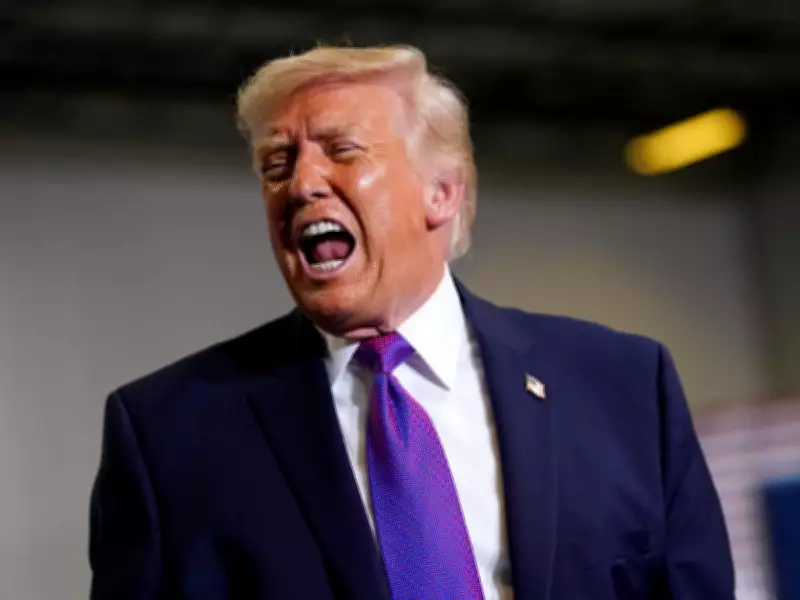
The tariff policies, prominently featured during Trump's presidency and continuing into 2026, represent a bold approach to international trade relations. During a March 2026 event in Hebron, Kentucky, Trump defended his economic strategy at Verst Logistics, a company specializing in packaging, labeling, and transportation services for various brands.
Yet, as Gunter's analysis suggests, the political rhetoric surrounding these tariffs hasn't translated into meaningful economic gains for most Americans. Instead, the policies have:
- Increased consumer prices across multiple sectors
- Strained relationships with trading partners
- Failed to deliver the promised resurgence in manufacturing employment
The Broader Implications for Trade Policy
This situation raises important questions about the future direction of U.S. trade policy. As the debate continues, economists and policymakers are examining whether protectionist measures truly serve American interests in an increasingly interconnected global economy. The experience with Trump's tariffs suggests that such approaches may create more problems than they solve, particularly when they increase costs for the very people they're meant to help.
The discussion around these economic policies remains active, with readers and analysts continuing to weigh in on their effectiveness and consequences for American households and businesses alike.






