

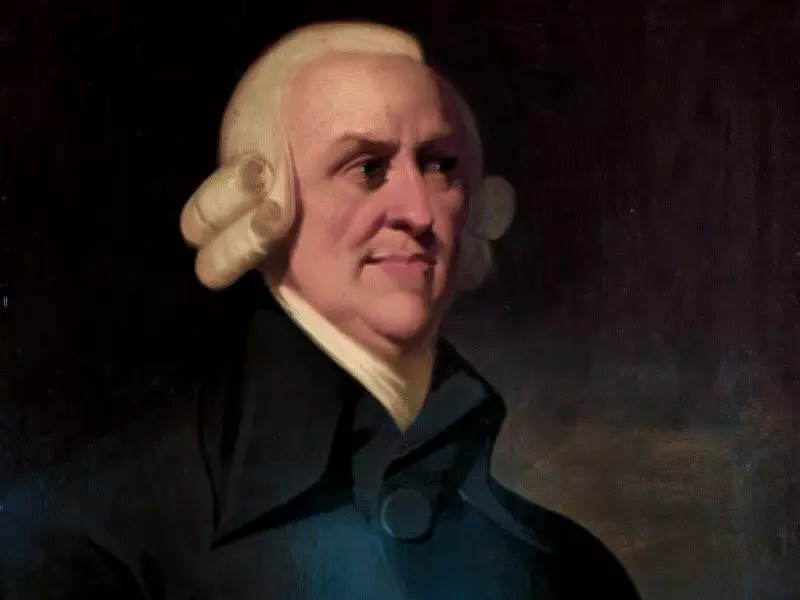
Pierre Poilievre: Adam Smith's Free Markets Are Moral, Not Greed-Driven
Conservative leader Pierre Poilievre has marked the 250th anniversary of Adam Smith's seminal work, An Inquiry into the Nature and Causes of the Wealth of Nations, by asserting that free markets are fundamentally moral systems. In a detailed analysis, Poilievre warns that when corporate interests merge with political power, the public inevitably loses out, highlighting Smith's often-misunderstood principles.
The Misunderstood Father of Capitalism
Adam Smith, frequently dubbed the "Father of Capitalism," never actually used the term "capitalism" in his writings. Poilievre emphasizes that Smith did not advocate for capital supremacy over labor. Instead, in Wealth of Nations, Smith identified "the annual labour of every nation" as the true source of wealth. He cautioned against profits gained through state protection rather than genuine open competition, a distinction that remains critically relevant today.
Debunking the Myth of Greed
One of the most persistent misconceptions about Smith is that he glorified greed. Poilievre clarifies that when Smith described expecting dinner from the butcher's self-interest rather than benevolence, he was explaining market incentives, not celebrating selfishness. In The Theory of Moral Sentiments, Smith highlighted human sympathy as a binding force, where self-interest intertwines with concern for others. Poilievre notes that entrepreneurs, by understanding and meeting customer needs, exemplify this sympathetic engagement.

The Historical Impact of Free Markets
Smith did not invent free markets but observed their emergence as trade and labor mobility began replacing servitude. Poilievre points to dramatic economic transformations:
- From year 1 to 1700, global GDP per person rose minimally from about $444 to $615.
- From 1820 to 2000, it surged from $667 to over $5,700.
- Life expectancy in Western Europe increased from 35–40 years in 1800 to over 75 years by 2000.
For generations, free markets lowered costs, raised wages, and lifted billions from poverty. However, Poilievre warns that these principles now face pushback from politicians promoting socialism and protectionism under various guises.
Modern Betrayals and Economic Stagnation
Poilievre argues that working people across the Western world have been betrayed by policies that enrich a privileged few. Key issues include:
- Wage stagnation and stalled housing markets.
- Soaring energy costs and inflation eroding buying power.
- Government immigration policies that price workers out of prosperity.
He criticizes attempts to have free trade with unfree countries, suggesting such approaches risk turning the "wealth of nations" into widespread poverty. Poilievre concludes that reviving Smith's true principles—emphasizing labor, competition, and moral sympathy—is essential to counter top-down policies that threaten economic freedom and public welfare.






