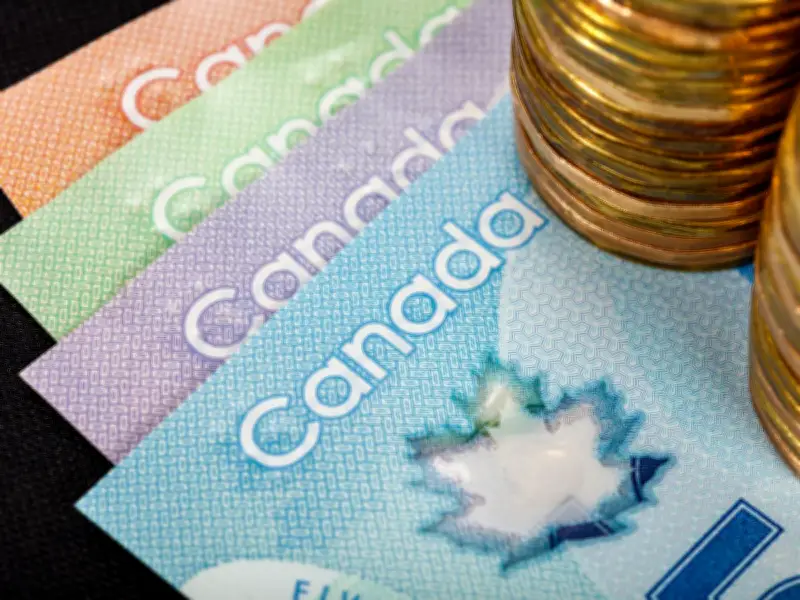
Canada's gross domestic product data for the first quarter of 2026 triggered alarm as the economy contracted for the second consecutive quarter. While many ask if Canada is in a recession, economist Charles St-Arnaud argues that the real question is more nuanced.
Defining a Recession
The common rule—two consecutive quarters of negative GDP growth—is often cited but overly simplistic. It has correctly identified every Canadian recession since 1960 but also produced false positives in 1980 and 2015, and may do so again in 2026. Context is crucial: a contraction driven by import surges from strong domestic demand differs from one caused by consumer pullback.
Current Contraction Drivers
The late 2025 contraction stemmed from inventory reductions due to rising exports, while early 2026's dip was largely from a spike in gold imports. Neither is particularly alarming, and the 0.1% decline is marginal.

The C.D. Howe Business Cycle Council, Canada's recession authority, defines a recession as a "pronounced, persistent, and pervasive decline" lasting at least two quarters and affecting multiple industries. By this measure, the current episode falls short: activity is only 0.3% below its mid-2025 peak, far less than the 4.4% drop during 2008–2009.
Stalled Growth vs. Recession
What Canada faces is stalled growth rather than an outright contraction. Weakness is concentrated in trade-exposed sectors, consistent with ongoing trade disruptions and supply chain issues. Thus, while not technically in a recession, the economy faces a rough patch with trade uncertainty, energy costs, and adaptation to a new world order.