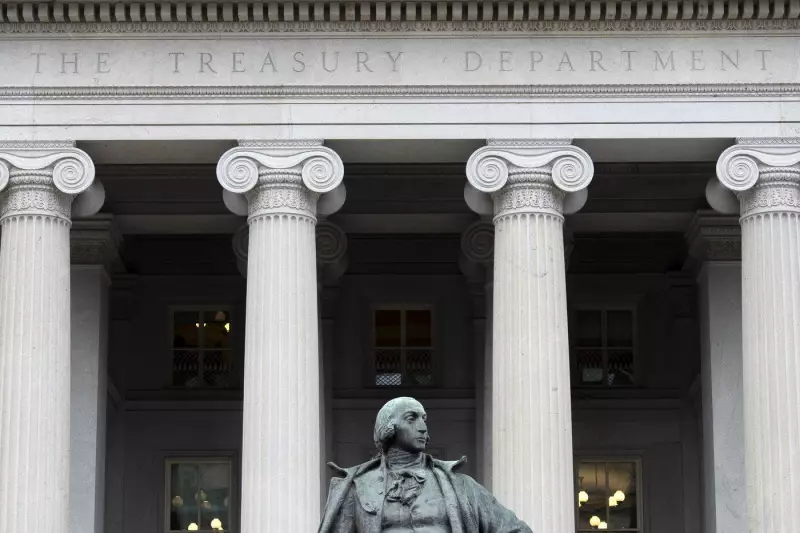
The United States government has taken decisive action against an international weapons network, announcing a new set of sanctions aimed at disrupting military trade between Iran and Venezuela. The measures were issued by the U.S. Department of the Treasury on December 30, 2025.
Targeting the Supply Chain
The sanctions specifically target individuals and entities identified as key facilitators in the transfer of military equipment and technology from Iran to the Venezuelan government. This move underscores Washington's ongoing strategy to apply economic pressure on both nations, which it views as destabilizing actors in their respective regions.
While the exact names of the sanctioned parties were detailed in the official release from the Treasury, the action broadly focuses on a network that handles logistics, financing, and procurement for the arms trade. The U.S. alleges this trade violates international norms and United Nations Security Council resolutions concerning Iran.

A Coordinated Foreign Policy Effort
This sanction package represents a continuation of the U.S. administration's foreign policy, which frequently leverages economic tools for security objectives. By targeting the financial underpinnings of the weapons exchange, American officials aim to sever a critical lifeline of military cooperation between Caracas and Tehran.
The timing of the announcement, just before the new year, signals a continued prioritization of this issue. Analysts suggest these sanctions are part of a broader effort to isolate both governments diplomatically and economically, limiting their capacity to project military power.
Implications and Expected Impact
The immediate effect of the sanctions is to freeze any U.S.-based assets belonging to the designated individuals and entities and prohibit American citizens and companies from conducting business with them. This creates significant hurdles for the targeted network, which often relies on the global financial system.
The long-term goal is to degrade the ability of Iran to export weapons and for Venezuela to import them, thereby reducing military capabilities and potential regional tensions. The U.S. Treasury Department has emphasized its commitment to using all available authorities to confront activities that threaten international peace and security.
This development is closely watched by allies and adversaries alike, as it reflects the ongoing geopolitical tensions and the U.S.'s willingness to employ its economic might as a primary instrument of foreign policy.