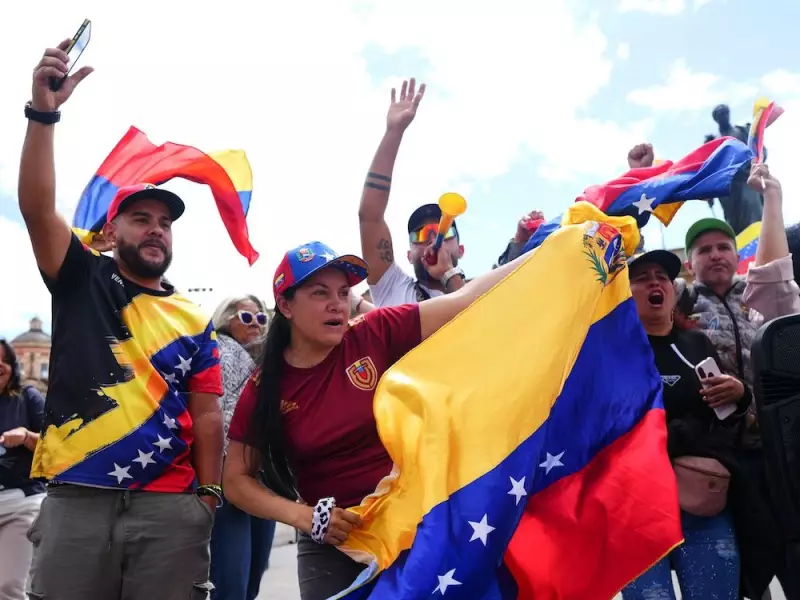
In a dramatic overnight operation on January 3, 2026, U.S. forces captured Venezuelan leader Nicolás Maduro and his wife, Cilia Flores. The couple was transported to New York to face serious criminal charges, marking a seismic shift in the long-standing political crisis in Venezuela.
The Operation and Its Immediate Aftermath
The mission began with targeted strikes on military infrastructure across Venezuela. Key sites included the headquarters of the Venezuelan armed forces, several airfields, and ports. In the ensuing confusion, American special forces infiltrated Maduro's heavily fortified compound, securing his detention and that of his wife.
However, the operation was surgical. Other high-ranking regime officials, such as the vice president, interior minister, and Attorney General, were left in place. This has created a complex power vacuum, as the remaining leadership has vehemently condemned the American actions and shows no immediate sign of surrendering power.

The Charges and Justification
U.S. officials, particularly Republicans, have long refused to recognize Maduro as Venezuela's legitimate leader, citing extensive election fraud. They have instead branded him a narco-terrorist, alleging he personally leads the Cartel of the Suns. This criminal organization, reportedly operated by the Venezuelan military, is accused of drug trafficking, money laundering, and financing terror.
The move follows years of devastating decline under Maduro's rule. Since taking office in 2013, Venezuela's socialist economy has shrunk by a staggering three-quarters, a collapse typically seen only in wartime. This economic catastrophe has driven nearly eight million refugees to flee the country, escaping starvation and extreme poverty. Domestically, elections are considered rigged, and political dissidents face widespread imprisonment and torture.
Uncertain Future and U.S. Intentions
In a press conference, former U.S. President Donald Trump outlined the immediate American plan. He stated the U.S. would "run" Venezuela to facilitate a "safe, proper and judicious transition." He also expressed a desire for American oil companies to enter the Venezuelan market to "start making money for the country," directly challenging the failed socialist policies.
While Trump warned he was prepared for further military action, including deploying ground troops, Secretary of State Marco Rubio indicated no further strikes are currently anticipated. The potential for escalation now hinges on whether the remnants of the Maduro regime agree to cede power.
The situation remains precarious. Maduro's power structure relied on a network of influential domestic allies, making him less individually indispensable than other autocrats. This could allow his inner circle to cling to control, though likely with increased factionalism. The decisive U.S. action serves as a stark warning to any who consider resisting Washington's demands.