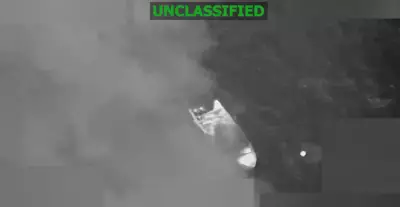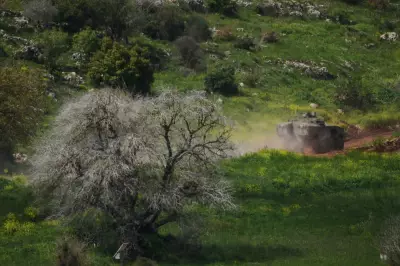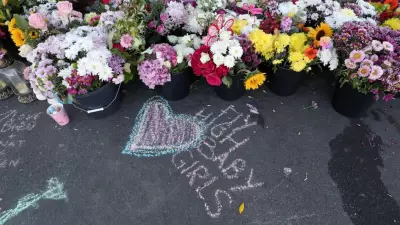
The United States military has conducted a series of airstrikes against militant factions operating in northwest Nigeria, marking a significant escalation in international efforts to combat instability in the region. The operation, which took place on December 26, 2025, targeted identified strongholds of armed groups responsible for widespread violence, including kidnappings and attacks on local communities.
Details of the Military Operation
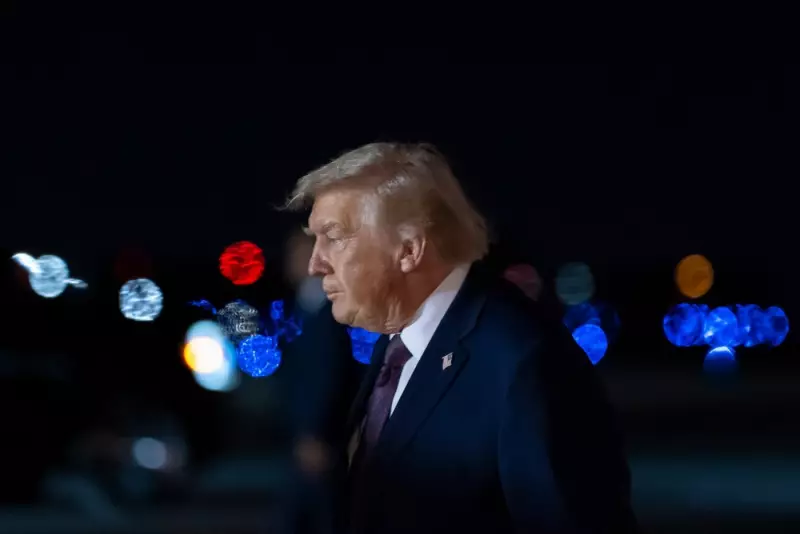
The airstrikes were authorized by U.S. President Donald Trump and executed by American forces. While the exact number of casualties remains undisclosed, preliminary reports indicate the strikes successfully hit several key logistical and operational sites used by the militants. The region of northwest Nigeria has been a hotspot for violence, with multiple armed groups vying for control and terrorizing civilian populations.
These groups, often referred to as “bandits” locally, have evolved from criminal gangs into more organized militant networks. Their activities have severely disrupted daily life, forcing school closures, hindering agriculture, and creating a massive internal displacement crisis. The U.S. intervention signals a growing international concern over the security vacuum in parts of Nigeria beyond the well-known conflict with Boko Haram in the northeast.

Regional Context and Security Challenges
The security situation in northwest Nigeria is complex and driven by a mix of factors. These include ethnic tensions, competition over scarce resources, and the proliferation of small arms. The Nigerian military has struggled to contain the violence, which has spilled over into neighbouring countries, threatening regional stability.
The decision for direct U.S. military action likely follows extensive intelligence sharing and diplomatic discussions with the Nigerian government. It represents a shift towards more proactive, direct counter-terrorism measures in West Africa by Western powers. Analysts suggest this move is part of a broader strategy to prevent the region from becoming an ungoverned space for extremist groups to flourish.
Implications and International Response
The airstrikes have immediate and long-term implications. In the short term, they disrupt the operational capabilities of the targeted militant cells. However, there are concerns about potential retaliatory attacks against civilians or a further radicalization of local groups. The Nigerian government has welcomed the support but faces the enduring challenge of addressing the root causes of the conflict, such as poverty and lack of governance.
Internationally, the action may prompt other nations with security interests in the Sahel region to reassess their engagement strategies. It also raises questions about the future of foreign military presence in Africa and the frameworks for such interventions. The success of this operation will be measured not just by immediate tactical gains, but by whether it leads to a sustained improvement in security for the people of northwest Nigeria.
As of December 26, 2025, monitoring of the situation continues, with assessments ongoing to determine the full impact of the strikes. The event underscores the persistent and evolving nature of security threats in West Africa and the complex role of international actors in responding to them.