

Tel Aviv's Defiant Spirit Shines Through Amid Iranian Assaults
The streets of a residential neighborhood in Tel Aviv were littered with shattered glass on Sunday, a stark reminder of the Iranian missile strike that claimed one woman's life just a day earlier. Despite the destruction, the city's residents voiced a determined resilience, insisting they are prepared to withstand further attacks from Iran.
A Scene of Devastation and Determination
At the site of Saturday's missile impact, the crumpled shell of an apartment building with blown-out windows loomed over a massive crater. Heavy machinery and teams in high-visibility vests worked diligently to clear the rubble as wires and twisted metal hung precariously from the damaged structure. Charred tree trunks lay scattered on the ground, and more than twelve hours after the strike, the area still carried the faint smell of burning.
Further down the leafy street, rows of apartment blocks stood with their windows shattered by the blast's force. Approximately one hundred meters from the epicenter, the apartment of Ariel, a 32-year-old finance worker, was littered with debris from the impact.

"It's not nice to see your home broken, all my memories are here. But we know that in the war with all the bombs, it can happen," Ariel told AFP journalists. "It's not nice, but it's OK, we'll be strong, we continue."
Familiar Scenes of Conflict
Such scenes of devastation are fresh in the memories of all Israelis, particularly residents of the Tel Aviv area, which suffered significant damage during the previous confrontation between Israel and Iran in June of the previous year. This marks the second time the city has been targeted in less than a year, creating a grim familiarity with the routines of seeking shelter and assessing damage.
While Israel's sophisticated air defense systems have successfully intercepted many missiles fired from Iran, Saturday's strike served as a sobering reminder that interceptors cannot provide guaranteed protection against every threat.
"We're not scared, we're used to it," Ariel explained, expressing hope that Israel would ultimately prevail. "We hope that Israel is going to win and change the situation in the Middle East because we need that this was worth it, all the apartments, all the civilians hurt."
Emergency Response and Civilian Casualties
Israel's Magen David Adom emergency service reported that a woman was killed and at least twenty-one people were injured during Saturday night's attacks in the Tel Aviv area. The strikes followed a wave of attacks launched by the United States and Israel against Iran on Saturday, which prompted rapid retaliation from Tehran.
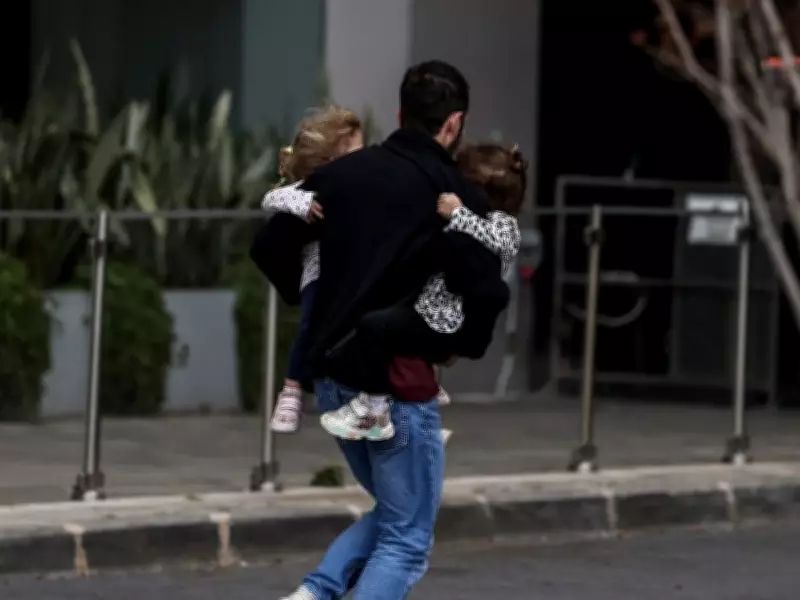
On Sunday, AFP journalists in Tel Aviv heard sirens signaling another incoming missile attack from Iran, prompting dozens of people to run for cover in nearby shelters. While underground, 56-year-old resident Gil recalled performing the same grim routine the night before.
"We were here and we heard a big noise, a big boom, and we realized it's something in the neighborhood," he told AFP. "We started getting some notifications from people staying at their homes that it had happened and there was glass all over and when we went out, it smelled like something was on fire and it was a bit scary."
A Culture of Resilience
Despite the fear and destruction, all the Israelis interviewed by AFP expressed remarkable resilience. They emphasized that seeking cover from missile attacks has become a routine part of life, something they have grown accustomed to through repeated experiences.
The determination to maintain normalcy amid conflict reflects a broader cultural attitude in Tel Aviv, where residents balance the realities of geopolitical tensions with their daily lives. As cleanup efforts continue and repair work begins on damaged buildings, the city's inhabitants demonstrate that while buildings may be shattered, their spirit remains unbroken.
This ongoing conflict between Israel and Iran continues to test civilian resilience while raising questions about regional stability and the effectiveness of defense systems in protecting urban populations from missile threats.






