In a significant escalation of its military campaign, the Syrian government has captured a strategic town and multiple oil fields from Kurdish-led forces in the country's northeast. The advance marks a major push by Damascus to consolidate control over resource-rich areas long held by the U.S.-backed Syrian Democratic Forces (SDF).
Government Troops Secure Key Territory
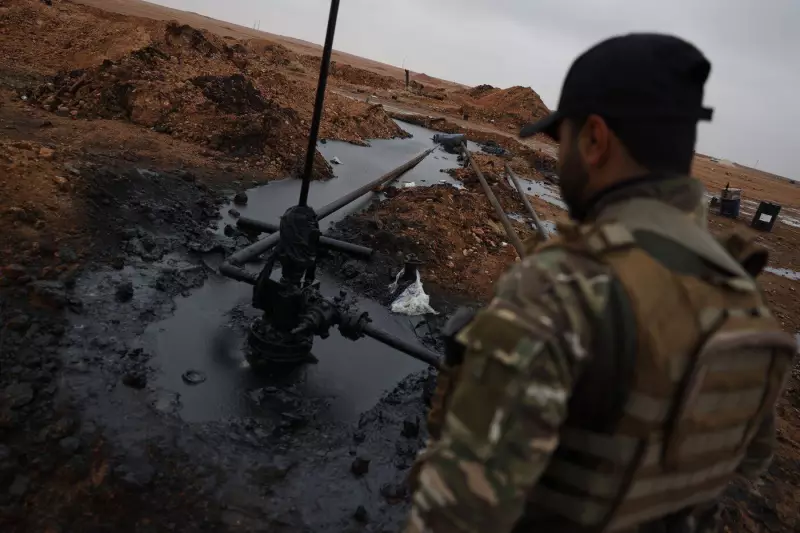
The offensive, which unfolded on Sunday, January 18, 2026, saw Syrian army soldiers take control of the al-Thawra oil field in the province of Raqqa. Photographs from the scene show government troops walking through the facility after successfully ousting SDF fighters. This move is part of a broader, ongoing military operation aimed at reclaiming territory east of the Euphrates River from Kurdish-led administrations.
The captured town is considered a strategic prize, providing a foothold for further advances into regions that have enjoyed a degree of autonomy under Kurdish control for years. The loss of the oil fields represents a substantial economic and symbolic blow to the SDF, which has relied on local resources to fund its governance.

Deepening Complexity in the Syrian Conflict
This development intensifies the already complex geopolitical landscape in Syria. The Syrian Democratic Forces, a coalition dominated by the Kurdish People's Protection Units (YPG), were a principal ally of the United States in the fight against the Islamic State group. Their gradual loss of territory to the Russian and Iranian-backed Syrian government forces creates new tensions and could potentially lead to direct confrontations between the world powers involved.
The Syrian government's eastward push appears calculated to exploit shifting international priorities and fill vacuums left by changing U.S. foreign policy. Securing oil and gas infrastructure is also a critical objective for the cash-strapped regime in Damascus, which is desperate for revenue to rebuild the war-shattered nation.
Implications for Regional Stability
The seizure of these assets has immediate and long-term consequences. For residents in northeastern Syria, it signals a return of state authority that many Kurdish inhabitants view with deep suspicion and fear, given the history of repression. The move also challenges the fragile status quo that has held since the territorial defeat of ISIS, potentially destabilizing the region once more.
Analysts warn that continued advances by Syrian President Bashar al-Assad's forces could trigger a humanitarian crisis, displacing populations and threatening the fragile camps housing families of former ISIS fighters. The international community, including Canada which has been involved in diplomatic efforts and humanitarian aid, is now faced with a rapidly evolving situation that could undermine years of precarious stability in northeast Syria.
The ongoing operation underscores the enduring nature of the Syrian conflict, now entering its second decade, where control of territory and resources remains fiercely contested by multiple local and international actors.