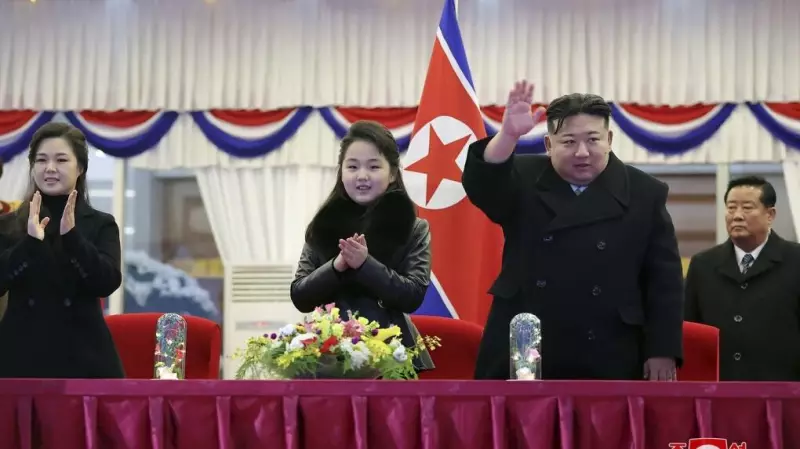
In a move laden with political symbolism, the daughter of North Korean leader Kim Jong Un has made her first public visit to a key mausoleum, according to state media reports. The event, which took place as the country marked the New Year, is being closely analyzed by international observers for its potential implications regarding the secretive state's future leadership.
A Significant Public Appearance
The visit represents a notable step in the public profile of Kim Jong Un's daughter, whose name has not been officially released by North Korean authorities. She was photographed alongside her father and her mother, Ri Sol Ju, during the commemorative event. Analysts who monitor North Korea note that such appearances at sites of supreme national significance are rarely accidental and are carefully choreographed to send specific messages both domestically and abroad.
The mausoleum in question is a hallowed site in North Korea, dedicated to preserving the legacy of the country's former leaders, Kim Il Sung and Kim Jong Il. For a member of the ruling Kim family to visit is a powerful act of continuity, linking the current generation directly to the nation's founding mythology and the cult of personality that surrounds its leadership.

Context and Timing of the Visit
The visit coincided with New Year celebrations, a time when North Korean leadership often sets the tone for the coming months. The appearance of the leader's daughter in this context amplifies its significance. It follows a pattern where Kim Jong Un has increasingly included his daughter in major public events over recent years, including military parades and missile tests.
This strategic visibility has fueled ongoing speculation among foreign governments and Korea-watchers about her potential role in the country's future. While North Korea remains an opaque society, these calculated public gestures are a primary means through which the regime communicates shifts in political narrative and dynastic planning.
International Analysis and Implications
Regional security experts interpret the mausoleum visit as a clear signal intended to reinforce the unbreakable lineage of the Kim family's rule. By placing his daughter in this symbolic setting, Kim Jong Un may be working to solidify her legitimacy in the eyes of the North Korean elite and populace, ensuring stability for a future succession.
The move comes amid persistent tensions on the Korean Peninsula and ongoing diplomatic stalemates regarding North Korea's nuclear weapons program. Observers suggest that reinforcing internal dynastic stability is a priority for Kim Jong Un as he navigates these external pressures. The international community, including allies like Canada who are committed to peace and security in the region, will be watching for further signs of how this evolving family narrative impacts the regime's domestic and foreign policy decisions.
Ultimately, this first mausoleum visit by the young Kim is more than a family outing; it is a piece of political theatre designed to project strength, continuity, and an unchallenged legacy for the world's only communist dynasty.