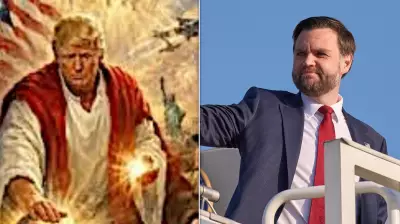
Key political allies of former President Donald Trump have largely voiced their support for his ambitious and contentious proposal targeting Venezuela's oil industry. The plan, which involves seizing and revitalizing the South American nation's energy sector, was met with approval from prominent figures within the "Make America Great Again" movement, even as experts point to substantial obstacles.
MAGA Figures Rally Behind Controversial Strategy
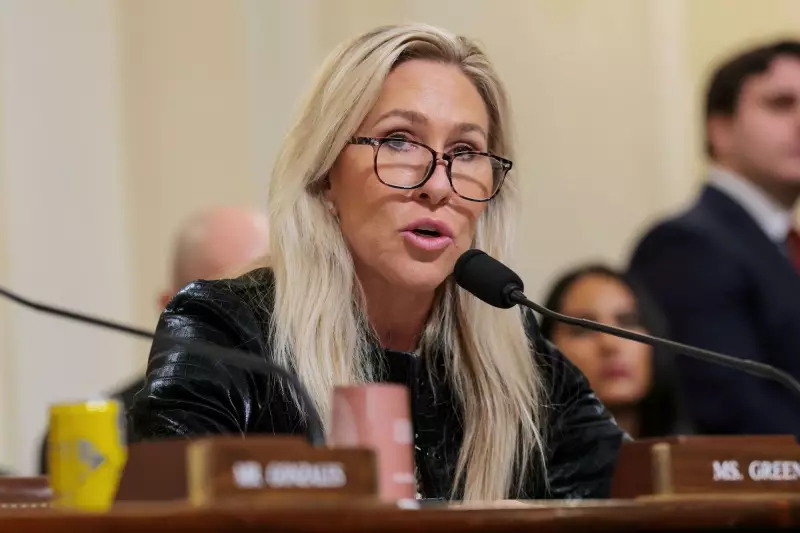
Among the vocal supporters is Republican Representative Marjorie Taylor Greene, a staunch Trump loyalist. Her backing, echoed by other MAGA-aligned lawmakers and commentators, underscores the political divide on foreign intervention and economic strategy. This support comes despite the plan's departure from traditional diplomatic approaches and its potential to escalate tensions in the region.
The proposal, which emerged as a central foreign policy plank, aims to directly take control of Venezuelan oil assets. Proponents argue it would bolster American energy independence and apply maximum pressure on the regime of Nicolas Maduro. However, the strategy has sparked intense debate over its legality, feasibility, and long-term consequences for international relations.

Significant Hurdles and Operational Challenges
Analysts and industry experts have been quick to highlight the major practical and geopolitical hurdles facing the plan. Venezuela's oil infrastructure has suffered from years of underinvestment, mismanagement, and sanctions, leading to a dramatic decline in production capacity. Revitalizing these crippled facilities would require immense capital, technical expertise, and time—resources that would be at extreme risk in a hostile or contested environment.
Furthermore, any attempt to seize assets would likely face fierce legal challenges in international courts and could provoke a severe response from other global powers, including China and Russia, which have vested interests in Venezuela. The move would also test the boundaries of international law and potentially destabilize regional security, affecting neighboring countries and global oil markets.
Broader Political and Diplomatic Context
The rallying of MAGA supporters behind this aggressive stance occurs within a complex global landscape. The proposal contrasts sharply with more diplomatic efforts seen in past administrations and signals a potential return to a more unilateral and confrontational foreign policy style should Trump return to power.
The plan's reception among Trump's base reflects ongoing themes of economic nationalism and a hardline approach towards governments deemed adversarial. As the 2026 political landscape takes shape, this issue is poised to remain a flashpoint in debates over America's role in the world, its energy future, and the limits of presidential power in pursuing economic objectives abroad.
While the core MAGA faction shows unity on the issue, the proposal's viability remains in serious doubt, setting the stage for continued controversy and highlighting the deep divisions in American foreign policy thinking.