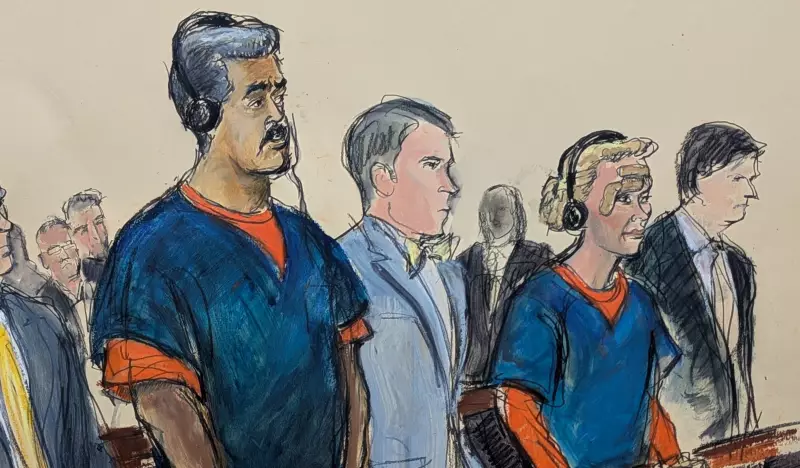
In a dramatic international development, ousted Venezuelan President Nicolás Maduro has been formally arraigned after being seized by United States military forces. During the proceedings, Maduro declared himself a prisoner of war, setting the stage for a complex legal and diplomatic confrontation.
Details of the Capture and Injuries
According to briefings given to American lawmakers by officials from the previous Trump administration, the operation to detain Maduro was not without physical altercation. The officials stated that both Nicolás Maduro and his wife, Cilia Flores, sustained head injuries as they attempted to evade U.S. forces. The incident reportedly occurred during the seizure, which has not been officially detailed by the current U.S. government.
The news of Maduro's capture and subsequent legal status has sent ripples through the international community, particularly among the Venezuelan diaspora. In Canada, a Winnipeg family originally from Venezuela provided a reaction, highlighting the personal impact of these geopolitical events on immigrants who fled his regime.

International and Domestic Reactions
The event has immediate implications for global politics and energy markets. In related news, Prime Minister Carney commented on the situation, stating that Canadian oil will remain competitive following Maduro's ouster. This suggests a potential shift in global oil dynamics with one of the world's largest reserve holders now under new management.
Meanwhile, the claim of being a prisoner of war is a significant legal maneuver. By invoking the Geneva Conventions, Maduro's defense aims to challenge the jurisdiction of a U.S. civilian court and frame his capture as an act of international conflict rather than a law enforcement action. Legal experts anticipate this claim will be heavily contested by U.S. prosecutors.
Broader Context and Future Implications
The capture of a sitting head of state by foreign military forces is an exceedingly rare event in modern times. It marks a sharp escalation in the long-standing tensions between the United States and the Venezuelan government, which the U.S. and many allies, including Canada, had ceased to recognize as legitimate.
The situation leaves many questions unanswered, including the exact location of the seizure, the specific charges Maduro will face, and the official response from current U.S. leadership. It also raises concerns about stability within Venezuela and the future of its political opposition. The world will be watching closely as this unprecedented case unfolds in the coming weeks.