Israelis Navigate Tense Weekend Amid U.S. Strike Threats on Iran
In the southern region of Israel, residents are experiencing a surreal juxtaposition of daily life and impending military action. For over a month, Israelis have been carrying on with ordinary activities while expecting a significant U.S. attack on Iran at any moment. The atmosphere remains charged with uncertainty as the population balances routine existence with the possibility of regional conflict.
Heightened Alerts and Daily Contradictions
Israel's Home Front Command has placed the country on its highest alert level while simultaneously urging civilians to continue their lives normally. This contradictory guidance reflects the delicate balance authorities are attempting to maintain. Residents report receiving random newsflashes foretelling potential disaster, creating an environment of constant vigilance.
Recent developments have intensified concerns. On Wednesday evening, Polish Prime Minister Donald Tusk issued an urgent warning for all Polish citizens in Iran to leave immediately, suggesting they might lose that opportunity within days. The following night, the U.S. Embassy in Israel reportedly arranged for immediate evacuation of American exchange students who had been scheduled to depart on Saturday.

Normalcy Amid Extraordinary Circumstances
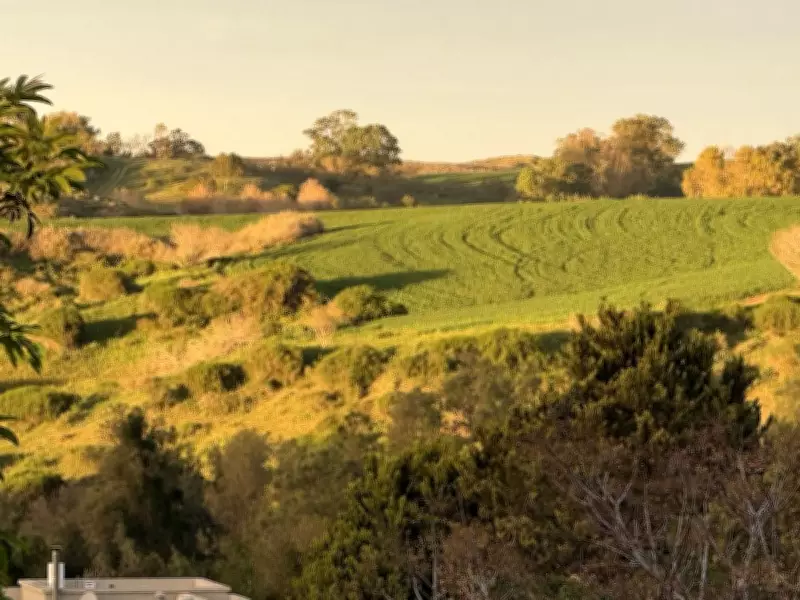
Despite these ominous signs, Israeli traditions continue. Long, leisurely Saturday lunches with family and friends remain a sacred secular ritual in many communities. In the agricultural heartland of southern Israel, this season brings spectacular natural beauty with the national flower, the anemone, blooming profusely across hills and fields.
The landscape transforms with vibrant red blossoms, attracting local tourists who picnic, hike, and explore off-road trails. After two years of conflict, the land appears to be smiling back at residents, with many noting they cannot remember such an abundant display of flowers in recent memory.
Environmental Contrasts and Community Resilience
Last weekend brought environmental challenges as sand from the Sahara Desert created the worst air quality readings globally for two consecutive days. The atmosphere turned into a muddy brown dust soup that residents described as biblical and plague-like in appearance.
This weekend promises dramatically different conditions with early spring splendour bringing sunshine, warmth, and gentle breezes. Fields display peak verdancy following a winter of plentiful rainfall. The tranquility contrasts sharply with the security situation.
Community Connections and Shared Concerns
Neighbourly interactions continue despite the tension. Residents share lemons from backyard trees and discuss weekend plans over coffee, all while acknowledging the underlying anxiety. Conversations inevitably turn to the same question: "What do you think will happen?"
The sense of looming dread has been building since mid-January when President Trump issued harsh threats against Iran following the arrest of thousands of Iranian civilians protesting for regime change. As regime violence escalated, Trump reassured Iranian citizens that "help is on the way," further fueling expectations of military action.
Living on the Edge
Today, Israelis exist on a knife edge, navigating the space between potential brutal conflict with an enemy intent on the country's destruction and maintaining cherished traditions of normalcy. The population demonstrates remarkable resilience as they prepare for both possibilities simultaneously.
This delicate balance between heightened alert and daily routine defines the current Israeli experience, with residents maintaining vigilance while refusing to abandon the rhythms of ordinary life that sustain communities during uncertain times.