The delivery of a fleet of U.S.-built P-8 surveillance aircraft to the Canadian military has been hit with significant delays, now falling three years behind the original schedule. This setback impacts the replacement of the aging CP-140 Aurora fleet, which is slated for retirement in 2030.
Revised Timeline and Causes of Delay
Initially, all 14 aircraft from U.S. defence firm Boeing were expected to be delivered by the fall of 2027, as announced by the federal government in 2023 for the $10-billion project. The Department of National Defence later adjusted this to a 2027-2028 timeframe on its website. However, further delays have been confirmed, with DND spokesman Nick Drescher Brown stating that the aircraft are now anticipated to arrive by 2030.
The primary cause of this delay stems from a labour disruption at Boeing in September 2024. More than 33,000 machinists in the U.S. went on strike from September 13 to November 4, 2024, halting production of various aircraft types, including the P-8. This event pushed back the delivery of the first aircraft from 2026 to 2027, affecting the entire production timeline for the CP-8 Poseidon fleet.

Current Production Status and Preparations
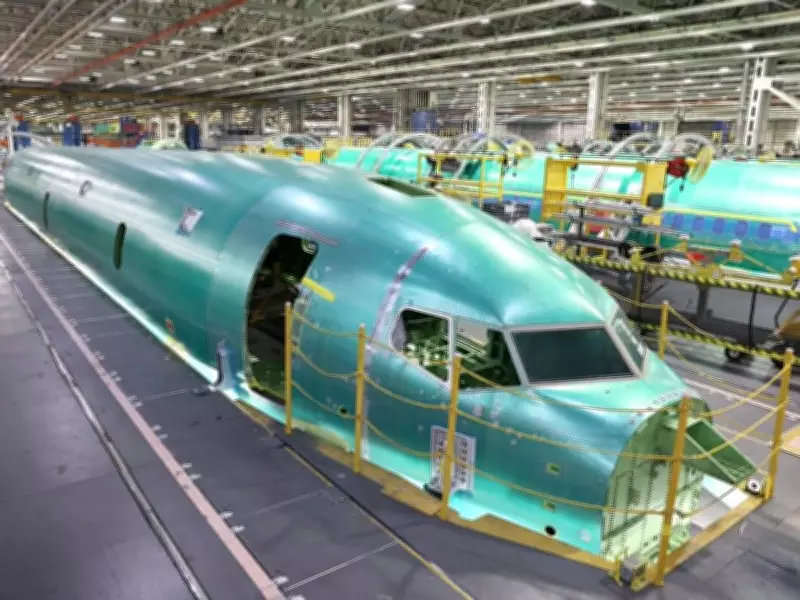
Despite the delays, progress is being made on the first CP-8A Poseidon. On February 19, 2026, DND announced via social media that production had reached a milestone with the joining of the fuselage and other major sections at Boeing's facility in Wichita, Kansas. In preparation for the eventual delivery, work is underway to upgrade facilities such as hangars.
To mitigate the impact of these delays, Royal Canadian Air Force personnel have been embedded with allied forces, including the Royal Air Force, Royal Australian Air Force, Royal New Zealand Air Force, and United States Navy. This proactive approach allows them to gain operational experience on the P-8A before its arrival in Canada, ensuring a smoother transition.
Background on the Acquisition Decision
The Liberal government's decision in November 2023 to proceed with a sole-source purchase of the Boeing aircraft was viewed as a major victory for U.S. industry and a boost for American aerospace workers. Originally, there was supposed to be an open competition to select a new multi-mission aircraft to replace the RCAF's Aurora CP-140 planes.
However, RCAF leadership rejected a made-in-Canada solution based on Bombardier aircraft, deeming it too risky. They argued that the P-8 would enable seamless interoperability with the U.S. and other allies who operate the same aircraft, further integrating Canada into the U.S. military system. Additionally, the Canadian government faced pressure from the United States, with then-U.S. Ambassador to Canada David Cohen sending a letter to Liberal cabinet ministers urging them to move forward with the sole-source deal.
This letter was addressed to various ministers, including then Treasury Board president Anita Anand, whose organization was reviewing the funding proposal for the P-8 acquisition. The delays now pose challenges to the planned retirement of the CP-140 Aurora fleet, highlighting the complexities of international defence procurement and labour disruptions in the aerospace sector.