Sudanese Canadians Voice Discontent Over Western Response to Homeland Crisis
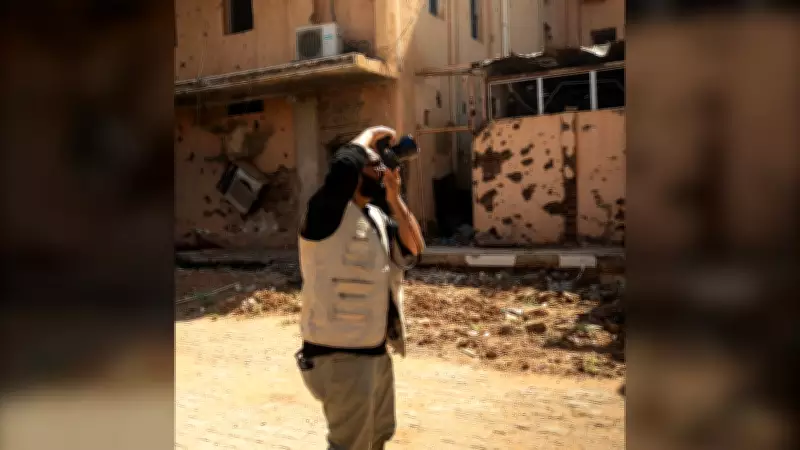
Sudanese Canadian filmmaker Mamoun Hassan's journey back to his country of birth in January has amplified a growing sentiment within the diaspora community. Many Sudanese Canadians are expressing profound frustration, feeling that western nations, including Canada, are demonstrating insufficient concern and action regarding the severe humanitarian crisis unfolding in Sudan.
A Community's Growing Disillusionment
The conflict in Sudan, which has displaced millions and created catastrophic food insecurity, is perceived by many in the Canadian Sudanese community as receiving inadequate international attention and aid. Hassan's firsthand observations during his visit have provided a poignant narrative that resonates deeply with expatriates who maintain strong ties to their homeland.
"There is a palpable sense of abandonment," community advocates report, noting that media coverage and political discourse in Western countries often prioritize other global conflicts. This perceived neglect contributes to a feeling that the suffering of Sudanese people is not valued equally in the international arena.

Contrasting Global Priorities
The situation underscores a broader critique of how Western foreign policy and humanitarian aid are allocated. Sudanese Canadians point to the rapid mobilization of resources for other crises as evidence of a double standard. They argue that the scale of devastation in Sudan—marked by widespread violence, famine, and collapsed infrastructure—demands a more robust and urgent global response.
Community leaders are increasingly vocal, calling on the Canadian government to leverage its diplomatic influence to advocate for greater international intervention and to increase humanitarian assistance directed specifically to Sudan. They emphasize that Canada's multicultural identity includes a responsibility to address crises affecting its diverse citizenry's countries of origin.
The Personal Toll on the Diaspora
For individuals like Mamoun Hassan and countless others, the crisis is not a distant news story but a personal tragedy affecting family and friends. This emotional burden is compounded by the struggle to raise awareness and spur action within their adopted country. The diaspora's efforts to organize aid and advocacy face challenges in cutting through a crowded news cycle dominated by domestic and other international issues.
The collective call from Sudanese Canadians is clear: they seek not just sympathy, but tangible, escalated engagement from Western nations to address what the United Nations has described as one of the world's worst humanitarian disasters. Their message is a plea for the crisis in Sudan to be met with the seriousness and resources commensurate with its human cost.