Rural Nurse Practitioner's Clinic Faces Uncertain Future Amid Provincial Funding Changes
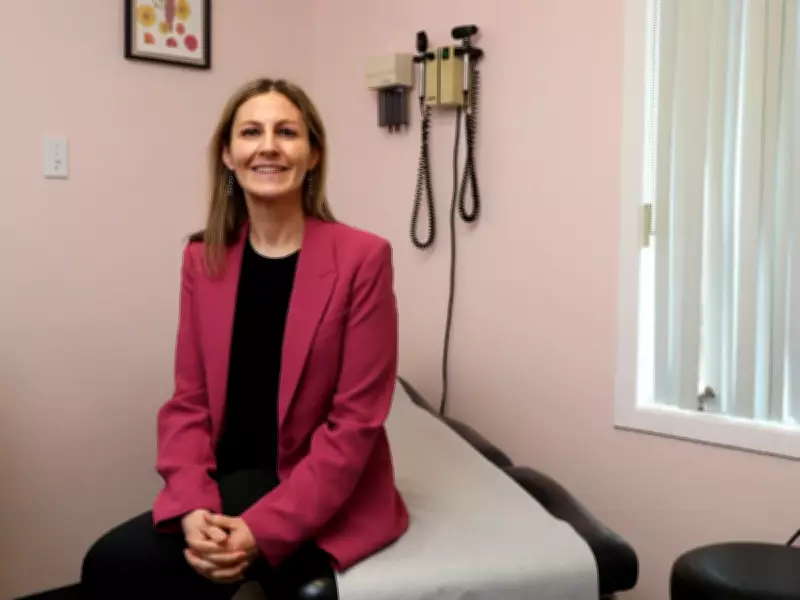
When Cara Sabourin completed her nurse practitioner training, residents of Moose Creek in Eastern Ontario pleaded with her to establish a local clinic. "We literally had a lineup of people saying, 'As soon as you are done school, please take care of me,'" Sabourin recalls. "We are rural and there is lots of need." Responding to this urgent demand, she opened Cara Health in 2021 within a medical building that community members had previously fundraised to construct.
Filling Critical Healthcare Gaps in Underserved Communities
Today, Sabourin's clinic provides essential primary care services to more than 700 patients, along with various other healthcare offerings. Because nurse practitioners in Ontario cannot independently bill the provincial health insurance plan like physicians, her clinic operates on a pay-for-service model. Patients pay a one-time intake fee of $150 followed by an annual charge of $350 for continued care.
Sabourin initially believed these fees would be temporary, anticipating federal intervention regarding nurse practitioner funding. In January 2025, the federal government issued an interpretation letter directing provinces and territories to publicly fund nurse practitioners and eliminate out-of-pocket billing for medically necessary services. The directive set an April 1, 2026 deadline for implementation, with enforcement penalties delayed for one year.

Provincial Response Creates Uncertainty for Independent Practice
That deadline has now passed without a clear plan from the Ontario government. When Health Minister Sylvia Jones began outlining the province's approach to the federal directive—emphasizing team-based, salaried positions for nurse practitioners rather than supporting independent practice—Sabourin realized her thriving clinic might not fit within the proposed framework.
"There are job postings now. I could close and leave here, but I feel like I have made a commitment to the people who have signed up with me," Sabourin explains. "I have a lease. I have employees. I can't just leave. I am not sure what the provincial government wants us to do."
Broader Implications for Rural Healthcare Access
Sabourin is not alone in advocating for more flexible approaches to nurse practitioner support, particularly in rural Ontario where medical services are often scarce. Ontario boasts the highest number of nurse practitioners in Canada—registered nurses with advanced university training who can independently diagnose, treat, and manage illnesses, order tests, prescribe medications, and perform certain procedures.
These healthcare professionals are widely recognized as crucial to addressing Ontario's critical primary care shortage. Both the Nurse Practitioners Association of Ontario and individual practitioners like Sabourin argue that a one-size-fits-all payment model cannot effectively support their diverse roles across different communities.
In a letter to Health Minister Jones, Sabourin noted that she initially sought positions within publicly funded team-based clinics after graduating but found no available opportunities. "My goal was to work within a publicly funded model, but the system had no place for me and, faced with that reality and recognizing the needs of the community, I built my own clinic," she wrote.
The current uncertainty leaves hundreds of rural patients potentially facing reduced access to primary care, highlighting the complex challenges of healthcare delivery in underserved regions amid evolving policy landscapes.