One Year After Lapu Lapu Day Attack: Victims and First Responders Reflect on New Realities
On the evening of Saturday, April 26, 2025, the Lapu Lapu Day festival in Vancouver transformed from a celebration of Filipino culture into a scene of unimaginable horror. A black SUV plowed indiscriminately through festival-goers, leaving 11 people dead and many more severely injured. As the one-year anniversary approaches, first responders, survivors, and mental health experts are reflecting on that tragic night and the profound changes it has wrought in their lives.
The Night That Changed Everything
Christi-Ann Watkins and her 11-year-old son Nox were waiting for French toast at a food truck when the attack occurred. "We were holding hands," Watkins recalled, her voice trembling with emotion. "The last thing we did, we were holding hands." That simple moment of connection became a haunting memory as chaos erupted around them.
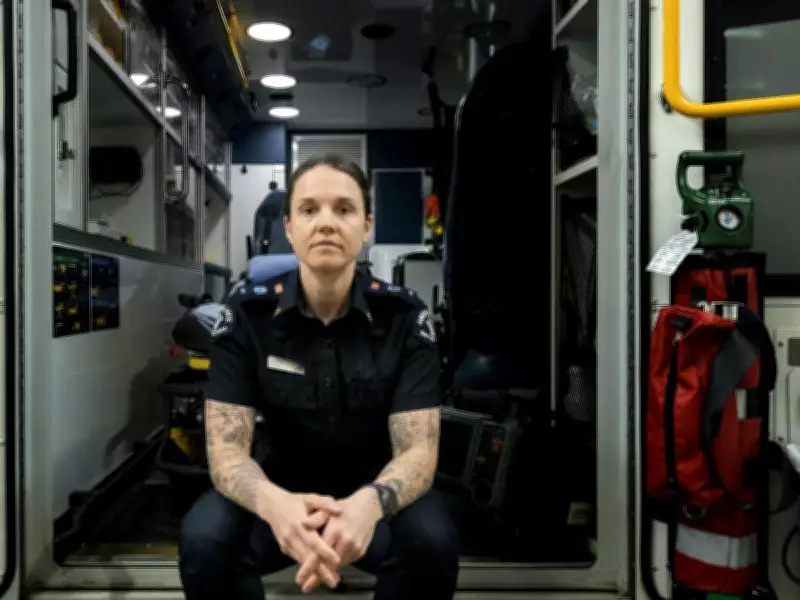
Meanwhile, paramedic Tanya Hirsch and her partner had just completed a call near Cambie Street when they received an alert about a serious incident unfolding approximately five kilometres away at Fraser Street and East 43rd Avenue. "We were one of the first units on scene," Hirsch explained, noting that while she had responded to large emergencies before, "nowhere near the scale of this one."

First Responders Confront Unprecedented Chaos
As Hirsch and her partner raced toward the festival, they initially struggled to comprehend the situation. Reading updates from 911 call-takers on their ambulance's computer screen and hearing radio dispatches from colleagues already on scene gradually revealed the severity of the crisis. "Your brain just switches into work mode, and you're thinking about everything," Hirsch remembered. "What happened? What caused this? Is it even safe for us to go into the call? How are we going to manage all of these sick patients with the amount of resources that we have?"
Upon arrival, they encountered a scene of utter chaos. The street was bordered by food trucks and overflowing with horrified eyewitnesses, with injured people scattered across three city blocks. "It was a large amount of patients spread across a large area," Hirsch described, "which made it particularly challenging to manage, just because communication and organization of the scene becomes harder when it's spread over such a large area."
Systemic Changes and Ongoing Trauma
For the injured survivors, many of whom continue to struggle with physical recovery, and for the families mourning their lost loved ones, the anguish persists daily. They grapple with profound heartache, ongoing health challenges, and significant financial losses resulting from the tragedy.
Mary Charters, executive-director of the provincial agency Health Emergency Management B.C., emphasized that while "no one can prepare you for something like that," the system can be better equipped for future emergencies. The attack has prompted substantial policy changes regarding training and public safety protocols for large events throughout British Columbia.
A Community Forever Altered
Katryna Bowland-Kwok, the ambulance service's on-call director that night, was tucking her young children into bed in New Westminster when she received the initial text message about a "significant" event at the festival, followed by an urgent phone call with more details. Her first thought encapsulated what many British Columbians felt: "This doesn't happen here."
The Lapu Lapu Day attack represents the worst mass casualty event in Vancouver's history and an incident previously unheard of in British Columbia. As the community prepares to commemorate the one-year anniversary, the reflections of those most affected reveal both the depth of their trauma and the resilience required to build what many now call "a new normal."
The psychological impact on first responders has been particularly significant, with many experiencing lasting effects from the traumatic scenes they witnessed. Mental health support systems have been strengthened in response, recognizing that those who rush toward danger need comprehensive care in the aftermath.

For the Filipino community, what should have been a day of cultural celebration has become forever marked by tragedy. Yet, even amidst the grief, there are stories of remarkable human connection and support that have emerged from the darkness of that April night.