Forensic Odontologist Solves Decades-Old Quebec Cold Case
In a remarkable breakthrough for forensic science, a specialist from Quebec's Laboratoire de Sciences Judiciaires et de Médecine Légale (LSJML) has successfully identified the remains of Pamela Harvey, a case that had remained unsolved since at least 1998. The identification was achieved through meticulous analysis of dental records, showcasing the critical role of forensic odontology in modern criminal investigations.
The Key Role of Dental Evidence
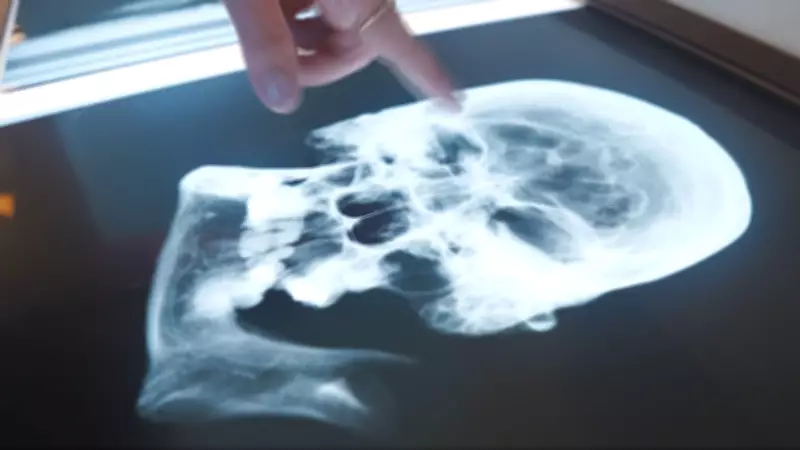
Forensic odontology, the application of dental science to legal matters, proved instrumental in this case. The odontologist compared X-rays of the unknown remains with Harvey's dental records, finding unique matches that confirmed her identity. This process involves examining dental structures, restorations, and anomalies that are as distinctive as fingerprints, providing a reliable method for identification when other means are unavailable.
The LSJML team emphasized that this discovery underscores the importance of preserving and digitizing dental records, as they can be crucial in resolving long-standing mysteries. The laboratory, based in Montreal, is renowned for its expertise in forensic pathology and has contributed to numerous high-profile investigations across Quebec.

Advancements in Forensic Techniques
Over the past few decades, forensic science has evolved significantly, with technologies like digital imaging and DNA analysis complementing traditional methods like odontology. In this instance, the combination of radiographic analysis and historical record-keeping enabled the breakthrough. The case highlights how cold cases can be revisited and solved with persistent effort and specialized knowledge, offering closure to families and advancing justice.
Authorities have not released further details on the circumstances surrounding Harvey's death, but the identification marks a pivotal step in the ongoing investigation. It also raises awareness about the thousands of unidentified persons cases in Canada, many of which could benefit from similar forensic approaches.
Implications for Future Investigations
This success story serves as a testament to the dedication of forensic professionals and the value of interdisciplinary collaboration in law enforcement. As forensic odontology continues to advance, it is expected to play an increasingly vital role in:
- Identifying victims in mass disasters or criminal incidents.
- Assisting in archaeological and historical research.
- Enhancing the accuracy of criminal prosecutions.
The Quebec LSJML plans to continue its work, leveraging this case as a model for future identifications. Public interest in forensic science has grown, partly due to media portrayals, but real-world applications like this demonstrate its profound impact on society.