The Israeli military has confirmed a targeted operation in Lebanon that resulted in the death of a member of Iran's elite Quds Force. The announcement was made on December 25, 2025, marking a significant escalation in the ongoing shadow war between Israel and Iranian-backed forces in the region.
Details of the Military Operation
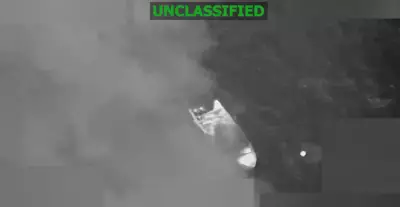
The strike occurred on Christmas Day, with the Israeli Defense Forces (IDF) stating they successfully targeted and killed the operative. The Quds Force is the external operations branch of Iran's Islamic Revolutionary Guard Corps (IRGC), responsible for missions outside Iran's borders. While the IDF did not release the specific name of the individual or the precise location within Lebanon, the action underscores the persistent and volatile conflict along Israel's northern border.
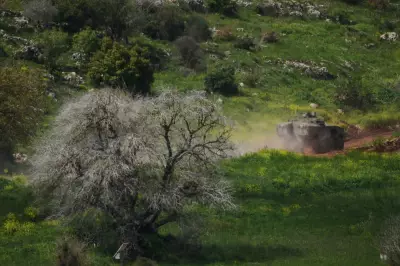
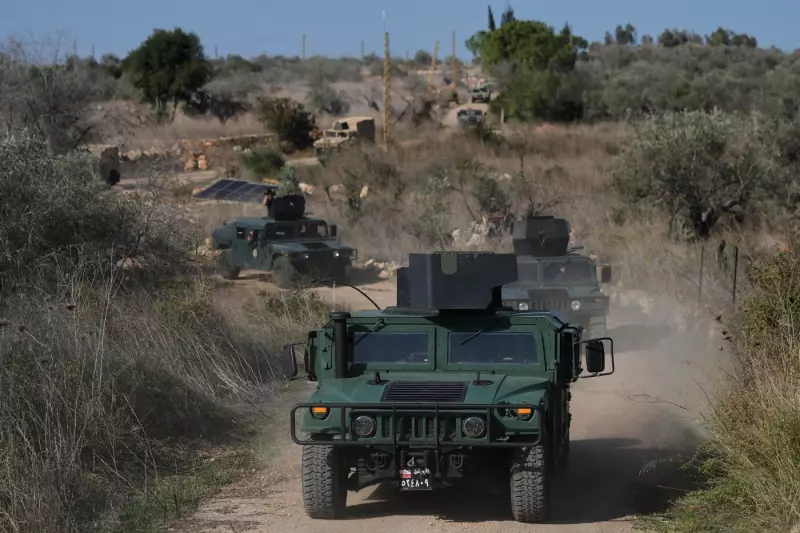
This incident follows a pattern of increased hostilities in southern Lebanon, an area where Hezbollah, a powerful Iran-backed militant group, holds significant sway. The Quds Force is known to provide training, funding, and weapons to Hezbollah and other proxy groups across the Middle East, making its operatives high-value targets for Israeli intelligence and military operations.

Regional Context and Rising Tensions
The killing of a Quds Force member directly on Lebanese soil represents a bold move by Israel. It signals a willingness to strike at Iranian assets beyond the usual exchanges of fire with Hezbollah. The region has been on edge since the outbreak of the war in Gaza, with near-daily cross-border skirmishes between Israel and Hezbollah raising fears of a wider, full-scale conflict.
Analysts suggest this targeted killing is a clear message to Tehran about the reach and capability of Israeli forces. It also occurs amidst a complex geopolitical backdrop, including international efforts to prevent a regional war and ongoing diplomatic maneuvers. The direct attribution of the strike to the Quds Force, rather than to Hezbollah, highlights Israel's focus on countering Iranian influence directly.
Potential Consequences and Future Outlook
The immediate concern is the potential for retaliation. Iran and its allies, particularly Hezbollah, have historically responded to such high-profile actions. This could lead to an intensified cycle of violence along the Israel-Lebanon border, which has already seen displaced populations on both sides.
The date of the operation, December 25, 2025, ensures it will be a focal point in regional security discussions in the coming days. The action may also influence international policy discussions regarding Lebanon's sovereignty and the ongoing UN peacekeeping mission (UNIFIL) in the south. As both Israel and Iran navigate a precarious situation, the risk of miscalculation leading to a broader confrontation remains a critical concern for global observers.
This development reaffirms that the shadow war between Israel and Iran continues to be fought on multiple fronts, with Lebanon remaining one of the most active and dangerous theaters.