Iran's President has asserted that his nation is now engaged in a comprehensive conflict with Western powers and Israel, a statement that underscores the escalating tensions in the Middle East.
A Declaration of Conflict
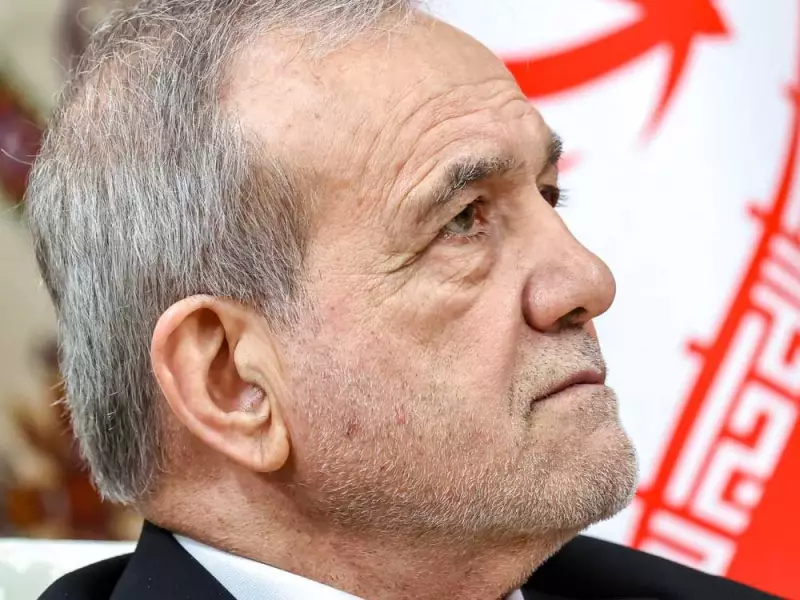
In a stark declaration published over the weekend, Iranian President Masoud Pezeshkian stated that Iran is in an "all-out war" with the United States, Israel, and Europe. He made these remarks in an interview featured on the official website of the country's supreme leader, Ayatollah Ali Khamenei. Pezeshkian characterized this conflict as more extensive than the brutal 1980s war Iran fought with neighboring Iraq.
"We are in an all-out war with the United States, Israel, and Europe; they do not want our country to remain stable," Pezeshkian said. He contrasted the current situation with the Iran-Iraq War, noting that today's pressures are multifaceted, targeting Iran "economically, culturally, politically, and in terms of security."

Context of Rising Tensions and Internal Strain
This provocative claim comes as the Iranian regime continues to grapple with the aftermath of significant Israeli military actions. In June of this year, a twelve-day conflict erupted after Israeli attacks, supported by U.S. airstrikes, targeted Iranian nuclear facilities. The strikes resulted in the deaths of several key Iranian military and nuclear officials.
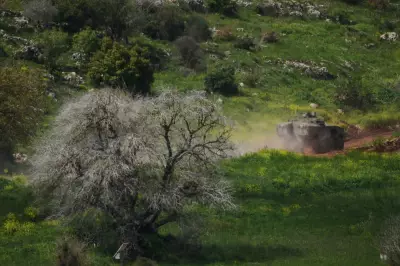
These events followed earlier Iranian missile attacks on Israel. In April, Iran launched hundreds of missiles and drones at the Golan Heights and southern Israel, causing minor damage. A second barrage in October 2024 also resulted in minimal impact and one reported fatality.
Experts point out that Pezeshkian's rhetoric also arrives amid mounting domestic pressures within Iran. Joe Varner, deputy director of the Conference of Defence Associations and a senior fellow at the Macdonald-Laurier Institute, highlighted severe internal challenges. These include critical water shortages in Tehran, widespread poverty, unstable housing infrastructure, and a significant increase in executions since the summer conflict. Varner also noted reports of protests in the capital where some citizens were allegedly calling for the return of the former crown prince.
Ongoing Threats and Regional Proxy Warfare
Despite the damage inflicted on its nuclear program, analysts warn that Iran remains a potent threat. The regime has waged a decades-long proxy war against Israel and Western interests, providing support to groups like Hamas, Hezbollah, and the Houthis.
Varner cautioned that Iran retains "substantial missile forces" and continues to work around its damaged nuclear sites. He raised concerns about the status of Iran's nuclear program and the amount of nearly weaponized nuclear material that may still exist. The complexity of enriching uranium to weapons-grade levels remains a significant hurdle, but the intent and foundational capabilities are a persistent worry for the international community.
The timing of the Iranian president's statement is also notable, coinciding with a planned meeting between Israeli Prime Minister Benjamin Netanyahu and U.S. President Donald Trump. Netanyahu is expected to advocate for a tougher stance against Iran, particularly regarding advancements in its ballistic missile program.
As the Iranian leadership frames its struggle as an existential battle against a coalition of enemies, the declaration signals a dangerous hardening of positions that threatens to further destabilize an already volatile region.