General Hegseth Demands Army Chief's Resignation as U.S. Engages Iran in War
In a stunning development that has sent shockwaves through military and political circles, General Hegseth has formally called for the immediate resignation of the U.S. Army's highest-ranking uniformed officer. This unprecedented demand comes as American forces are actively waging war against Iran, creating a tense atmosphere of leadership scrutiny during a critical national security crisis.
Leadership Crisis During Wartime
The request for resignation targets Army Chief of Staff General Randy George, who has served as the senior uniformed leader of the United States Army. General Hegseth's bold move represents a significant challenge to military command structure at precisely the moment when unified leadership is most essential. The timing of this demand, occurring while American troops are engaged in combat operations against Iranian forces, has amplified its controversial nature and raised serious questions about military cohesion during international conflict.
Background of the Army Chief
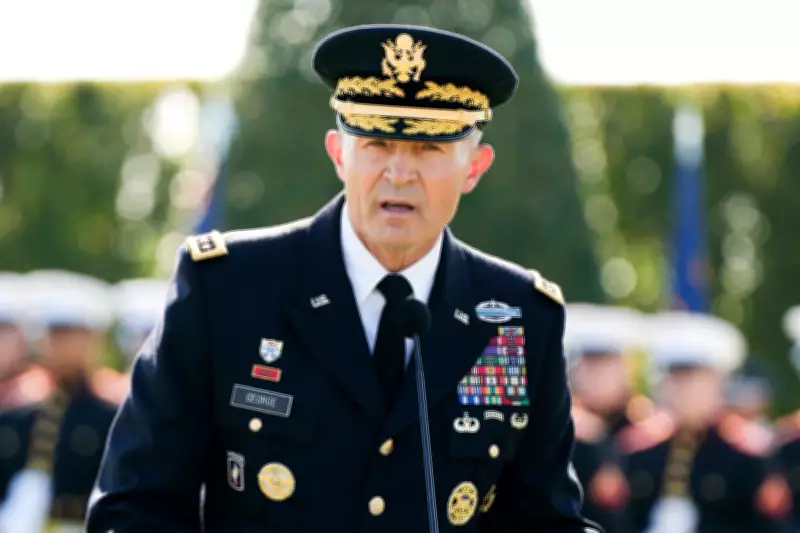
General Randy George, whose tenure includes notable public appearances such as speaking at the POW/MIA National Recognition Day Ceremony at the Pentagon in September 2025, now faces intense pressure to relinquish his position. The call for his departure suggests deep divisions within military leadership regarding strategic direction and operational management of the escalating conflict with Iran. This development occurs against a backdrop of increasing military engagement in the Middle East, where American forces have been expanding their presence and operations.

Broader Implications for Military Command
The public nature of Hegseth's demand creates an extraordinary situation where internal military disagreements have surfaced during active warfare. Such public calls for leadership changes during combat operations are exceptionally rare in modern American military history and indicate potentially significant disagreements about war strategy, troop deployment, or resource allocation in the Iranian theater. The situation threatens to undermine command authority and military morale at a time when both are crucial for mission success.
Political and Strategic Consequences
This leadership challenge emerges as the United States navigates complex geopolitical waters in the Middle East. The call for General George's resignation may reflect broader debates within defense circles about the appropriate scale, duration, and objectives of military engagement with Iran. The public airing of this internal dispute could have far-reaching consequences for military decision-making, congressional oversight, and public confidence in wartime leadership.
As the situation continues to develop, observers are closely monitoring how this leadership crisis will affect ongoing military operations against Iran and what it reveals about divisions within America's defense establishment during a period of heightened international tension and armed conflict.