Houthi Rebels Issue Stark Warning Amid Widening U.S.-Israeli Conflict with Iran
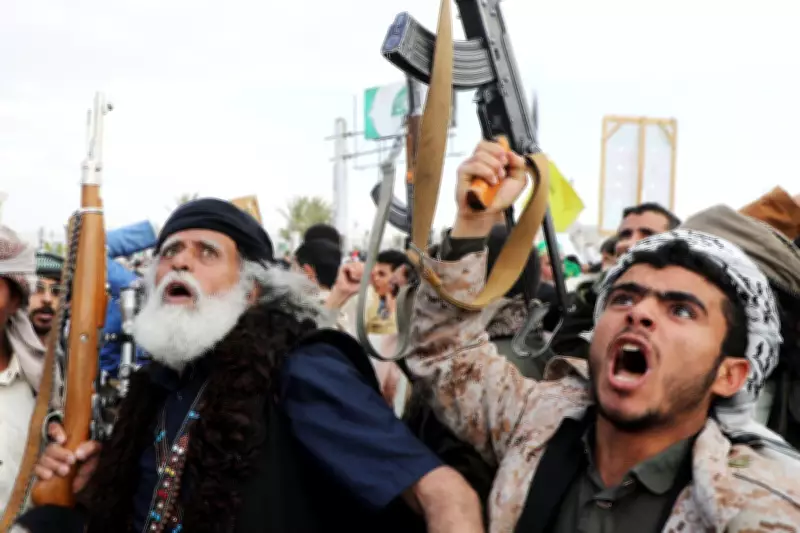
Yemen's Houthi rebels have declared their forces are prepared for immediate action, stating their "fingers are on the trigger" as hostilities between the United States, Israel, and Iran continue to escalate across the Middle East. This ominous warning comes amid growing international concern that the conflict could spill over into broader regional warfare with devastating consequences.
Heightened Tensions and Military Posturing
The Houthi movement, which controls significant portions of Yemen including the capital Sanaa, has positioned itself as a key ally of Iran in the ongoing geopolitical struggle. Recent months have seen increased Houthi military activities, including drone and missile attacks targeting shipping lanes and neighboring territories perceived as hostile to Iranian interests.
"Our forces remain on high alert and ready to respond to any aggression against our nation or our allies," a senior Houthi official stated in a recent broadcast. "The American and Israeli regimes should understand that their expansion of this war will be met with decisive action."

Regional Implications and Global Concerns
The widening conflict has already disrupted critical shipping routes through the Strait of Hormuz, a vital corridor for approximately one-fifth of the world's oil supply. Iran has announced it will "facilitate and expedite" humanitarian aid through the strategic waterway, though many analysts view this as a thinly veiled attempt to assert control over the crucial passage.
Meanwhile, Russia has reportedly been sending upgraded military drones used in the Ukraine conflict to Iran, further complicating the regional power dynamics and raising concerns about technological proliferation in an already volatile area.
Humanitarian Crisis and Economic Fallout
Yemen continues to suffer from what the United Nations describes as the world's worst humanitarian crisis, with millions facing famine and disease after years of civil war. The potential escalation of regional hostilities threatens to exacerbate this dire situation, potentially cutting off vital aid routes and further destabilizing the already fragile nation.
Economically, the conflict has sparked fears of a global fertilizer shortage that could drive up food prices worldwide, as the region is a major producer of agricultural chemicals. Energy markets have also shown volatility, with oil prices fluctuating amid concerns about supply disruptions.
International Response and Diplomatic Efforts
World leaders have called for restraint and renewed diplomatic efforts to de-escalate tensions. The United Nations Security Council is expected to hold emergency consultations regarding the deteriorating situation, though previous attempts at mediation have yielded limited results.
Regional powers including Saudi Arabia and the United Arab Emirates have maintained cautious positions, balancing their security concerns with efforts to avoid being drawn directly into the expanding conflict. Their diplomatic channels with both Western nations and Iran remain active, though progress has been slow.
The coming weeks will prove critical as military posturing continues alongside diplomatic maneuvering. With the Houthis' warning adding another volatile element to an already complex situation, the international community watches anxiously for signs of either escalation or de-escalation in one of the world's most strategically important regions.