U.S. Defence Secretary Pete Hegseth has issued a sharp public rebuke of Democratic Senator Mark Kelly, following the Arizona lawmaker's recent warnings to military personnel about the dangers of following illegal orders. The confrontation underscores deepening political divisions over American military and foreign policy.
A Senator's Warning and a Secretary's Rebuke
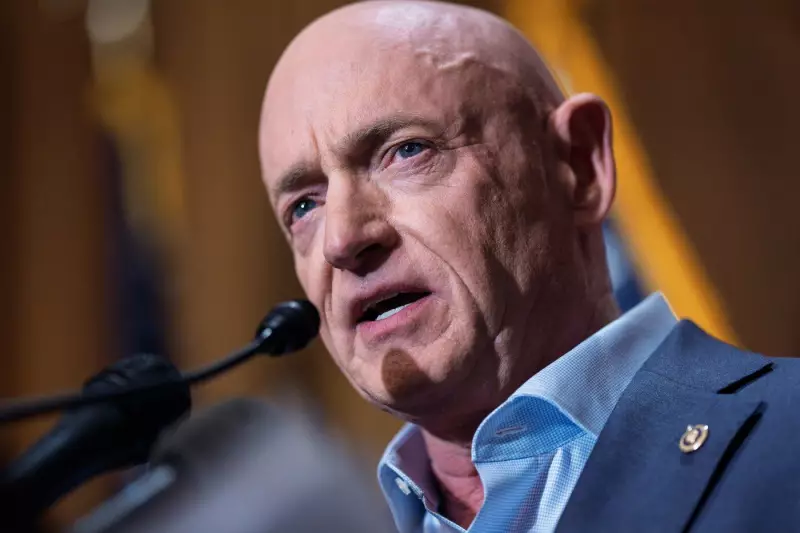
The dispute stems from comments made by Senator Mark Kelly in early December 2025. During a news conference at the Capitol in Washington, Kelly expressed significant concerns about U.S. military strikes targeting vessels suspected of drug smuggling in the Caribbean Sea. Kelly, a former Navy captain and astronaut, emphasized the legal and ethical obligations of service members, cautioning them against blindly following orders that could be unlawful.
In response, Defence Secretary Pete Hegseth, appointed by President Donald Trump, publicly censured the senator. Hegseth framed Kelly's warnings as an attempt to undermine military chain of command and morale, characterizing them as inappropriate political interference in operational matters. The defence secretary asserted the legality and necessity of the counter-narcotics operations.

Broader Context: Venezuela and Regional Tensions
This political skirmish occurs against a volatile geopolitical backdrop. The referenced military operations are part of a broader, intensified U.S. campaign against drug trafficking networks in the Caribbean, a policy closely linked to escalating tensions with Venezuela. The timing is notable, as it follows the dramatic arrival of Venezuelan President Nicolás Maduro at a U.S. courthouse to face drug trafficking charges.
Senator Kelly has accused both President Donald Trump and Secretary Hegseth of engaging in intimidation tactics aimed at silencing his critique. The senator refuted these efforts, standing by his position that clear legal boundaries must be respected, even in complex security operations.
Implications for Military Conduct and Oversight
The public clash between a senior Pentagon official and a sitting senator, particularly one with Kelly's military credentials, raises profound questions about civilian oversight of the armed forces and the rights and duties of service members. The core issue revolves around the balance between operational security, executive authority, and congressional responsibility to question potentially controversial military actions.
This incident highlights a critical debate: where does legitimate oversight end and dangerous meddling begin? For Canadian observers and allies, the stability of U.S. command structures and adherence to international law are matters of direct strategic interest, especially when operations occur in shared hemispheric waters.
The fallout from this confrontation is likely to resonate in ongoing congressional hearings and influence future debates on the authorization and rules of engagement for U.S. military activities abroad, particularly those involving interdiction and use of force.