

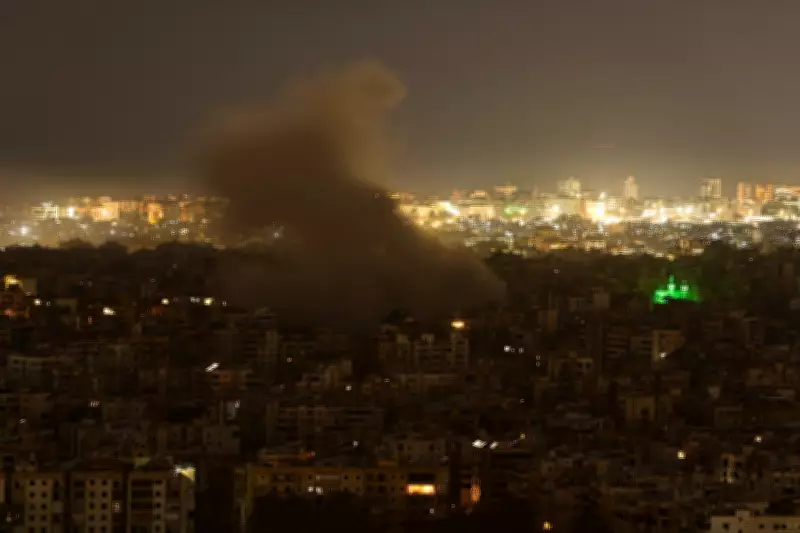
Residents in the northern areas of Beirut reported hearing powerful explosions that triggered widespread panic across the Lebanese capital. The unsettling sounds reverberated through neighborhoods, sending people scrambling for cover and raising alarms about escalating regional hostilities.
Context of Regional Escalation
This incident occurs against a backdrop of heightened tensions in the Middle East. Just one day prior, Israeli airstrikes targeted Dahiyeh, Beirut's southern suburbs, with photographs capturing smoke billowing from the impact sites. The visual evidence underscores the volatile security situation facing Lebanon's capital city.
Immediate Public Reaction
Witnesses described scenes of confusion and fear as the explosions echoed through urban areas. Many residents reported rushing indoors or seeking shelter, uncertain about the source or implications of the blasts. The psychological impact on a population already weary from regional conflicts cannot be overstated.

Security analysts note that such incidents create ripple effects beyond immediate physical damage. The auditory trauma and uncertainty contribute to a deteriorating sense of safety among civilians living in conflict-prone regions.
Broader Regional Implications
The explosions north of Beirut represent another chapter in the complex geopolitical landscape of the Middle East. With various state and non-state actors engaged in proxy conflicts and direct confrontations, Lebanon continues to find itself at the intersection of multiple regional power struggles.
International observers are closely monitoring how these developments might influence diplomatic efforts and regional stability. The timing of these explosions, following closely on the heels of confirmed airstrikes, suggests a potentially dangerous escalation pattern that could have consequences beyond Lebanon's borders.
Historical Precedents and Current Realities
Beirut has experienced numerous security incidents throughout its modern history, from civil war to terrorist attacks. Each new explosion revives collective memories of past traumas while highlighting the persistent vulnerabilities in the city's security infrastructure.
The psychological toll on residents is compounded by economic challenges facing Lebanon, creating what humanitarian organizations describe as a "perfect storm" of instability affecting civilian populations.
Looking Forward
As authorities investigate the exact nature and origin of the explosions, residents remain on edge. The incident serves as a stark reminder of how quickly regional tensions can manifest in urban centers, disrupting daily life and challenging notions of security.
The international community continues to watch developments in Beirut with concern, recognizing that stability in Lebanon often serves as a bellwether for broader regional dynamics in the Middle East.






