In a revelation that challenges the official narrative from Moscow, sources indicate that the U.S. Central Intelligence Agency (CIA) has assessed that Ukraine was not targeting a personal residence of Russian President Vladimir Putin during a recent drone attack. This assessment directly contradicts claims made by the Kremlin regarding the incident's intent.
Intelligence Contradicts Official Narrative
The key finding from U.S. intelligence, as reported by sources to CNN, is that the intended target of the Ukrainian drone operation was not a Putin residence. The Kremlin had publicly framed the attack as a direct attempt on the Russian leader's personal security, using the claim to bolster its justification for the ongoing war and to rally domestic support. The CIA's analysis, however, suggests a different military objective was in play at the time of the incident.
Details of the Incident and Timing
The drone attack in question occurred amidst the prolonged conflict, though the exact date was not specified in the initial reporting. The disclosure of the CIA's assessment was made public on December 31, 2025. This timing is significant, occurring as world leaders, including those in Canada, were sharing New Year's messages and many citizens were focused on holiday celebrations. The news cuts through a period typically marked by reflection and forward-looking statements, underscoring the persistent and tense nature of international security affairs.

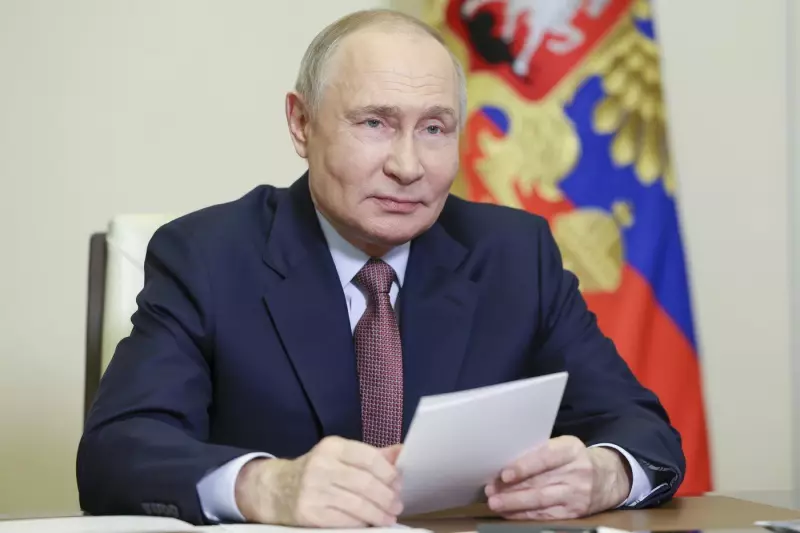
The backdrop of the assessment includes an image of President Putin chairing a meeting via videoconference from the Novo-Ogaryovo state residence in April 2025, a visual reminder of the secure locations from which the Russian leader often operates.
Broader Implications and Context
This divergence between U.S. intelligence and Kremlin statements has several immediate implications. Firstly, it challenges the propaganda narrative utilized by Russian authorities to demonize Ukrainian forces and justify escalatory measures. Secondly, it highlights the critical role of external intelligence agencies in fact-checking the claims made by parties to the conflict for a global audience.
The news arrives alongside a flurry of other year-end reports, from new Ontario laws set for 2026 to weather events across Canada, but it stands out for its direct bearing on international relations and security. The CIA's assessment serves as a crucial piece of information for allied governments, including Canada, as they navigate diplomatic and support strategies related to the war in Ukraine. It reinforces the complexity of modern conflict, where information warfare and the battle over narratives are as pivotal as events on the physical battlefield.