In a significant escalation of geopolitical tensions, the Chinese government has imposed sanctions on 20 United States defence companies and 10 of their executives. The move, announced on December 26, 2025, is a direct response to what Beijing describes as "massive" American arms sales to Taiwan, which China claims as its own territory.
Targets of the Sanctions
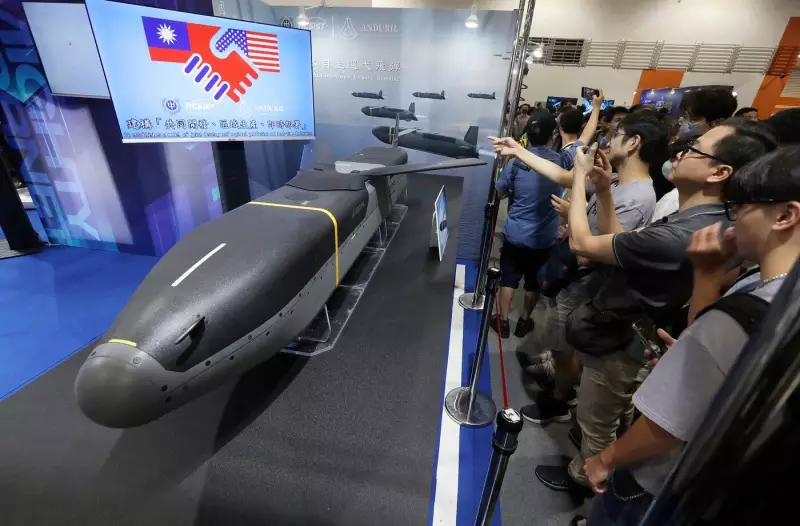
The sanctions list includes major players in the U.S. defence industry. While a full list was not immediately disclosed, the announcement referenced specific joint military projects. Notably highlighted was the Barracuda 500, a low-cost autonomous cruise missile jointly developed by U.S. defence technology firm Anduril and Taiwan's National Chung-Shan Institute of Science and Technology (NCSIST).
This weapon was publicly displayed at the Taipei Aerospace & Defense Technology Exhibition (TADTE) in September 2025. The sanctions aim to freeze any assets the listed entities and individuals may have within China and prohibit Chinese citizens and institutions from engaging in business with them.

Context and Political Backdrop
This action is the latest in a series of punitive measures Beijing has taken against foreign firms it accuses of undermining its sovereignty through dealings with Taiwan. The Chinese government consistently opposes any form of official interaction or military cooperation between other nations and Taiwan, viewing it as a core violation of the "One-China" principle.
The timing of the sanctions underscores the ongoing fragility of U.S.-China relations, which are strained by trade disputes, technological competition, and fundamental disagreements over regional security. The substantial arms packages to Taiwan, which the U.S. argues are for defensive purposes, remain a persistent flashpoint.
Potential Repercussions and Reactions
The immediate practical impact of these sanctions on large U.S. defence contractors may be limited, as their direct business with China is often restricted by American export controls. However, the move carries substantial symbolic weight and is intended to signal Beijing's severe displeasure. It could also affect subsidiaries or supply chains with deeper ties to the Chinese market.
Furthermore, the targeting of individual executives represents a personalization of the dispute, potentially subjecting those named to travel bans and complicating their international business activities. The response from the U.S. government and the affected companies is anticipated, likely framing the sanctions as an unjustified and destabilizing action.
This development adds another layer of complexity to an already tense strategic landscape, where military developments around Taiwan are watched closely by allies and adversaries worldwide. It reinforces the pattern of using economic and legal measures as tools of geopolitical confrontation.