The dream of serving Canada in uniform is hitting a formidable roadblock: time. A recent federal audit has revealed that the median time to process a new recruit into the Canadian Armed Forces (CAF) stretches between 245 and 271 days—nearly double the official target. This sluggish pace is at the heart of a deepening personnel crisis that former Defence Minister Bill Blair once termed a "death spiral."
A Dream Deferred by Digital Hurdles
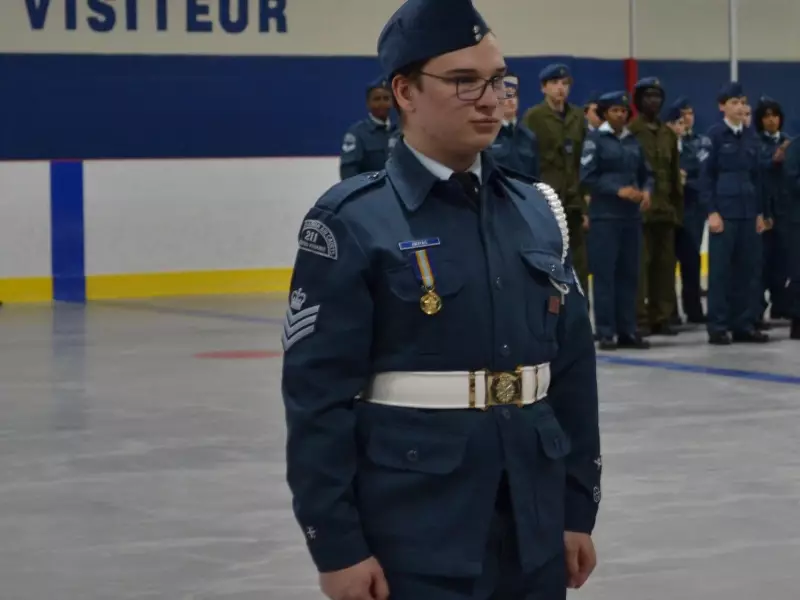
The human cost of this bureaucratic slowdown is embodied by 19-year-old Declan Bigras from Aylmer, Quebec. His journey began in air cadets at age 13, with aspirations of flying fighter jets. While that specific path proved highly competitive, his dedication saw him rise to second-in-command of his Ottawa squadron. Eager to serve, he attempted to enlist at 17 with parental permission.
"It didn't end up working out because the online system was very buggy back then," Bigras explained. He encountered persistent technical failures where the CAF recruiting website wouldn't send login codes and forced endless password resets. Now, with a new recruitment portal launched in September 2024 and subsequent technical upgrades, he is cautiously progressing. "Every time, when I get an assignment, I try to do it as fast as possible because I really want to get in," he said.

The Stark Numbers Behind the Bottleneck
The October report from Auditor General Karen Hogan, titled "Recruiting for Canada's Military," laid bare the systemic issues. While the CAF aims to onboard new members within 100 to 150 days, the reality is far longer. The audit, covering a three-year period, pinpointed the median processing time at those 271 days.
The breakdown of applicants is stark. The report found that more than half of all online applicants voluntarily withdraw before finishing the process. Furthermore, only one in 13 applicants ultimately reaches basic training. Compounding the problem is a growing backlog of pending security screenings, which ballooned from roughly 20,000 to nearly 23,000 during the audit, and a noted shortage of housing for those who do succeed.
The Path to the Uniform: A Multi-Stage Gauntlet
The recruitment process itself is a lengthy sequence of hurdles. It begins on the CAF website, where applicants create an account and proceed through a series of assessments: aptitude testing, medical evaluation, reliability and security clearance checks, and a final interview. Only after passing all stages does an offer materialize, leading to an enrolment ceremony.
From there, mandatory basic training begins alongside formal security clearance applications, followed by occupation-specific training. For those seeking a subsidized university education through the forces, even longer service contracts are required to ensure the military recoups its investment.
Searching for Solutions in a Competitive Landscape
The CAF's struggle is not unique in a global context where building a trained military force is increasingly challenging. However, the severity of Canada's "death spiral"—where more personnel are exiting than entering—has prompted action. Beyond the technical overhaul of the application portal, the forces are experimenting with new recruitment tools and messaging. Analysts suggest that a competitive bump in pay could also be a significant factor in attracting and retaining talent in a tight labour market.
For determined young Canadians like Declan Bigras, the reforms can't come soon enough. His story underscores a critical national challenge: a recruitment system in urgent need of streamlining to secure the future of the Canadian Armed Forces.