Tragic Avalanche Claims Snowmobiler's Life in British Columbia's Interior
A snowmobiler has been killed in an avalanche in the Kootenay Pass area of British Columbia's Interior region, according to reports from local authorities and rescue teams. The incident occurred on Saturday, February 28, 2026, prompting a swift response from Nelson Search and Rescue personnel who were dispatched to the scene via helicopter.
Details of the Fatal Incident
The avalanche struck in the Kootenay Pass region, a popular area for winter recreational activities despite its known avalanche risks. Nelson Search and Rescue teams were immediately activated and reached the site by helicopter to conduct search and recovery operations. The identity of the deceased snowmobiler has not been publicly released pending notification of family members.
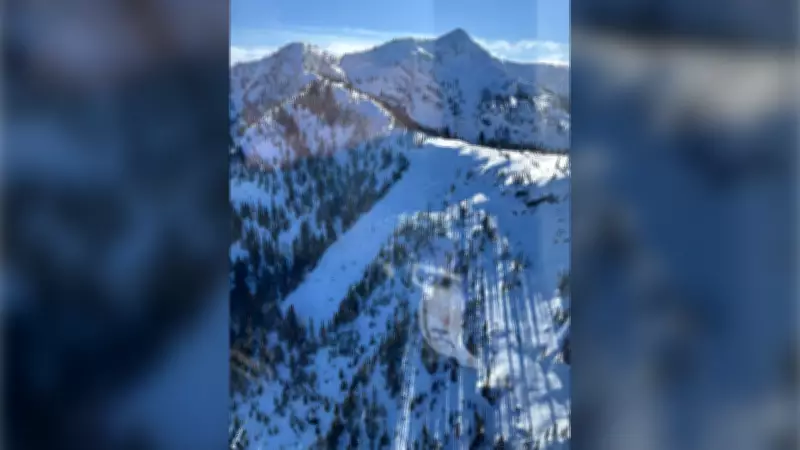
Visual documentation from the rescue operation shows the avalanche site from above, captured from the Nelson Search and Rescue helicopter. The images reveal the scale and destructive power of the snowslide that claimed the individual's life.

Avalanche Risks in British Columbia's Mountain Regions
This tragic event underscores the persistent danger of avalanches in British Columbia's mountainous interior regions, particularly during winter months when snow accumulation creates hazardous conditions. The Kootenay Pass area, like many parts of the province, experiences regular avalanche activity that poses significant risks to backcountry enthusiasts including snowmobilers, skiers, and snowboarders.
Avalanche Canada, the national public avalanche safety organization, regularly issues forecasts and warnings for various regions across British Columbia and Western Canada. Their data helps inform recreational users about current conditions and potential hazards in avalanche terrain.
Safety Considerations for Winter Recreation
This fatality serves as a sobering reminder of the importance of avalanche safety precautions for anyone venturing into backcountry areas during winter months. Essential safety measures include:
- Checking current avalanche forecasts and conditions before departure
- Carrying essential safety equipment including avalanche transceivers, probes, and shovels
- Traveling with experienced companions familiar with avalanche terrain
- Taking avalanche safety training courses to recognize and avoid hazardous conditions
- Being prepared to alter plans based on changing weather and snow conditions
While the specific circumstances leading to this particular avalanche incident remain under investigation, the tragedy highlights the unpredictable nature of snow stability in mountainous regions and the critical importance of preparedness when engaging in winter backcountry activities.