Canadian Military Conducts Modeling for Hypothetical U.S. Invasion Scenario
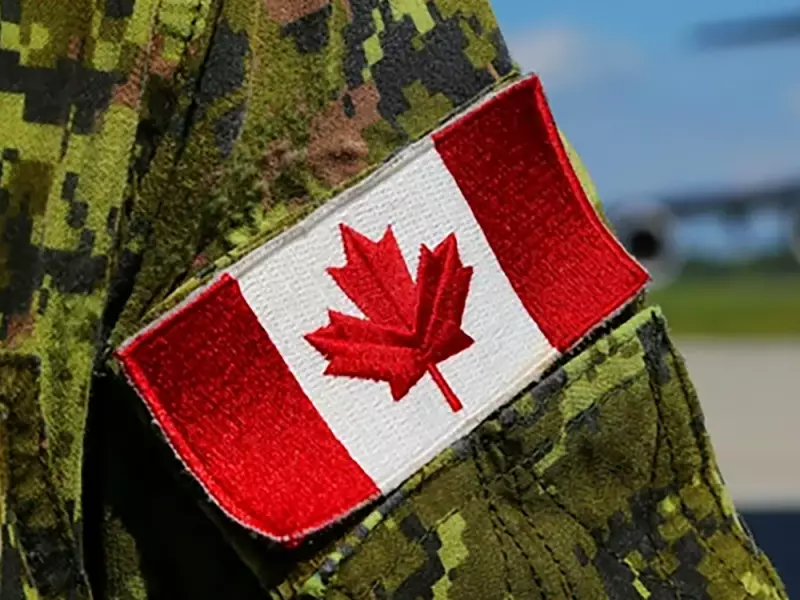
According to reports from the Globe and Mail, Canada's military has developed detailed models outlining how the country would respond to a potential invasion by the United States. This planning comes in response to public comments from former President Donald Trump, who has previously discussed Canada as a potential 51st state.
Defensive Strategies Modeled on Afghan Conflict Tactics
The northern nation's defense plans reportedly incorporate tactics similar to those employed in Afghanistan against Russian and later United States-led forces. Government officials, who requested anonymity, emphasized that while they have modeled these scenarios, they consider an actual U.S. invasion to be highly improbable.
The Economist also reported earlier this month that Canada's military is discussing worst-case scenarios that now include potential incursions by America, though these are viewed as extremely unlikely developments.

Deteriorating Relations Between Long-Standing Allies
These military preparations highlight how significantly relations between the two traditional allies have deteriorated during Trump's second term. The United States and Canada have not engaged in armed conflict against each other since the War of 1812, when Canada, then a British colony, successfully repelled American advances.
Since that historical conflict, the U.S. military has evolved into the world's most powerful fighting force. Officials told the Globe that their modeling assumes an attack from the south, with American forces potentially overcoming Canada's defensive positions on land and at sea within a week, or possibly in as little as two days.
Irregular Warfare and Civilian Resistance Plans
In such a hypothetical invasion scenario, the Canadian military envisions small groups of irregular fighters or armed civilians carrying out ambushes, sabotage operations, and drone warfare. These tactics could include so-called "hit-and-run" attacks involving improvised explosive devices, similar to those used by the Taliban in Afghanistan against U.S. and allied forces, including Canadian troops.
Arctic Tensions and NATO Commitments
The reports emerge as Trump takes an increasingly aggressive posture toward Greenland, Canada's Arctic neighbor. In a recent Truth Social post, he published an image showing a map with both Canada and Greenland covered by the American flag.
Foreign Minister Anita Anand, speaking to Bloomberg on the sidelines of the World Economic Forum in Davos, Switzerland, emphasized Canada's commitment to bolstering its Arctic presence. The country plans to spend two percent of its gross domestic product on defense this fiscal year and aims to meet NATO's five percent target by 2035.
Canadian Prime Minister Mark Carney is reportedly considering sending a small contingent of troops to Greenland to join forces from Denmark, France, the United Kingdom, and other nations for NATO exercises, though no final decision has been announced.
"Canada will never be the 51st state," Anand declared. "We will always ensure that we stand foursquare behind our NATO allies."
The office of Canada's defense minister did not immediately respond to requests for comment regarding these military modeling reports. These developments underscore the complex dynamics in North American security relations as Canada maintains its sovereignty while strengthening its defense capabilities and international alliances.