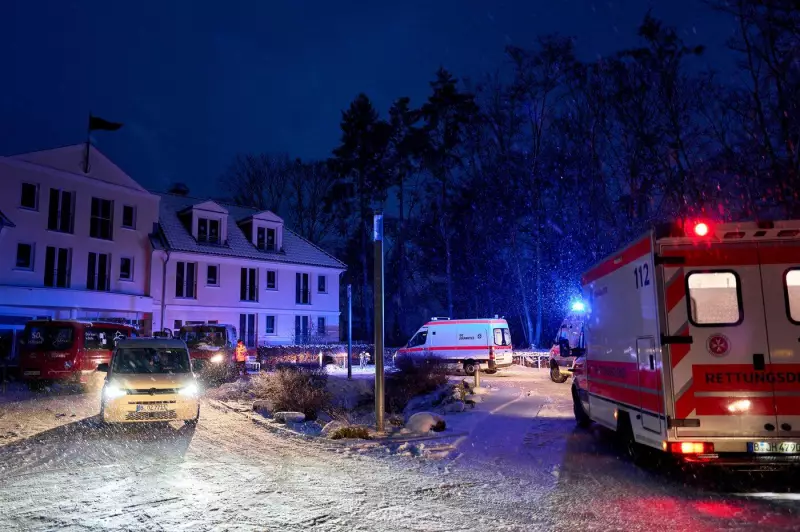
A widespread power failure plunged tens of thousands of Berlin residents into darkness this weekend, in an incident authorities are calling a deliberate and politically motivated assault on the city's energy infrastructure.
Emergency Response in the Dark
The blackout, which struck southwestern Berlin on Saturday, January 3, 2025, impacted approximately 45,000 households. The disruption originated from a fire on a critical cable bridge, severing power lines and cutting electricity to a significant portion of the capital.
Emergency services, including vehicles from the aid organization Die Johanniter, were swiftly deployed. Among the most urgent tasks was the evacuation of residents from a local retirement home, ensuring their safety amid the loss of power and heating during the winter month.

Authorities Point to Deliberate Sabotage
While the immediate cause was a fire, investigators have not attributed the blaze to an accident. Officials have stated the evidence points toward a politically motivated attack, deliberately targeting the energy grid. This classification raises serious concerns about the vulnerability of essential services to targeted sabotage.
The incident highlights growing anxieties over infrastructure security in Germany and across Europe, where energy networks have become focal points in geopolitical tensions.
Broader Context and Implications
This major outage in a European capital underscores the real-world consequences of attacks on civilian infrastructure. The rapid response by emergency crews prevented a greater humanitarian crisis, but the event serves as a stark reminder of the need for robust security measures around essential utilities.
As repair crews work to fully restore power and investigators continue their probe into the attack's origins, the people of Berlin are left grappling with the disruption and the unsettling knowledge that their basic services were intentionally targeted.