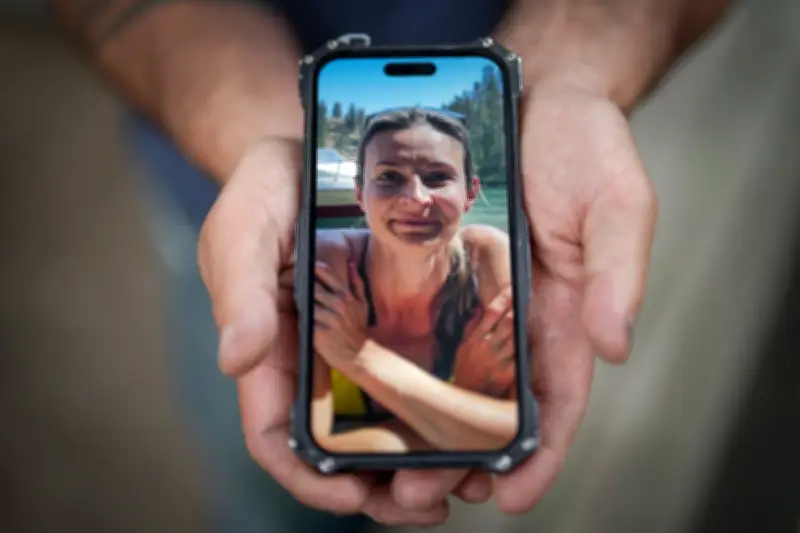
The Crown lawyer in the murder trial of Jason Gaudreault, accused of killing his partner Tatjana Stefanski, argued that the suspect's evidence is 'not credible' and 'not logical.' Stefanski was found dead on April 14, 2024, a day after she disappeared in Lumby, B.C.
Crown challenges Gaudreault's testimony
During the trial, the Crown prosecutor systematically dismantled Gaudreault's account of the events leading up to Stefanski's death. The lawyer pointed to multiple inconsistencies in Gaudreault's statements to police and his testimony in court. 'The evidence presented by the accused is neither credible nor logical,' the Crown said, according to court records.
Gaudreault had previously shown a photograph of Stefanski on his phone to reporters, portraying himself as a grieving partner. However, the Crown alleges that Gaudreault's actions after Stefanski's disappearance were inconsistent with someone innocent.

Key evidence and timeline
Stefanski was last seen alive on April 13, 2024. Her body was discovered the following day. Gaudreault was arrested shortly after and charged with murder. The trial has heard testimony from forensic experts, police officers, and witnesses who placed Gaudreault near the scene at the time of the murder.
The Crown emphasized that Gaudreault's narrative does not align with physical evidence and witness statements. 'The accused's version of events defies common sense and contradicts the facts,' the prosecutor added.
Defense maintains innocence
The defense has maintained Gaudreault's innocence, arguing that the evidence against him is circumstantial. They have pointed to a lack of direct forensic evidence linking him to the crime. The trial is expected to continue for several more weeks, with the jury set to deliberate after closing arguments.
If convicted, Gaudreault faces a life sentence with no possibility of parole for at least 25 years. The case has drawn significant media attention in British Columbia, highlighting issues of domestic violence and the justice system's handling of intimate partner homicides.