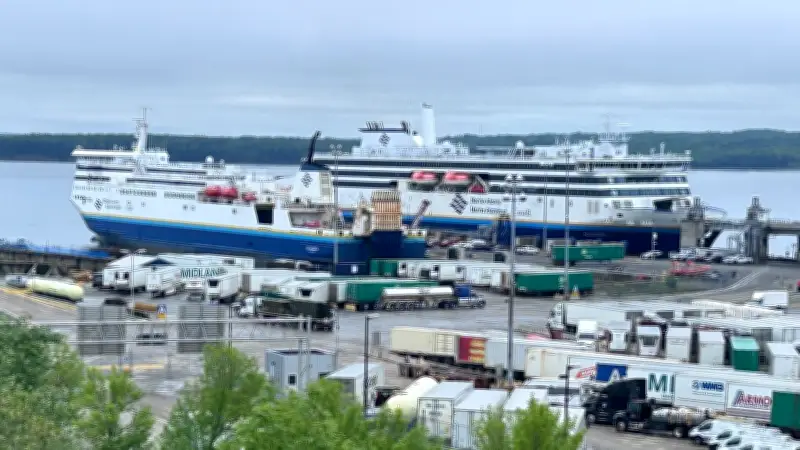
The ferry service connecting Nova Scotia and Newfoundland and Labrador has announced an $80 million infrastructure plan to upgrade terminals, vessels, and operations. The investment aims to improve reliability and capacity on the critical marine link between the two provinces.
Details of the Infrastructure Plan
The funding will be allocated over several years to modernize port facilities in North Sydney, N.S., and Port aux Basques, N.L., as well as to refurbish existing vessels. According to officials, the plan includes dock upgrades, improved passenger amenities, and enhanced cargo handling systems.
Marine Atlantic, the federal Crown corporation that operates the service, stated that the investment is necessary to address aging infrastructure and growing demand. The ferry carried over 300,000 passengers and 100,000 vehicles in the last fiscal year, with numbers expected to rise.

Impact on Travel and Trade
The $80 million plan is expected to reduce delays and improve the travel experience for passengers and commercial shippers. The route is vital for the movement of goods between Newfoundland and the mainland, supporting industries such as fishing, manufacturing, and retail.
“This investment is a significant step toward ensuring the long-term sustainability of the ferry service,” said a Marine Atlantic spokesperson. “We are committed to providing safe, reliable, and efficient transportation for our customers.”
Government Support
The federal government has backed the plan as part of its broader commitment to improving transportation infrastructure in Atlantic Canada. Transport Canada has pledged to work with Marine Atlantic to ensure the project stays on track.
Local officials welcomed the announcement, noting that the ferry service is a lifeline for many communities. “This infrastructure investment will create jobs and support economic growth on both sides of the Cabot Strait,” said a Nova Scotia MLA.
Timeline and Next Steps
Construction is expected to begin in 2027, with major upgrades completed by 2030. Marine Atlantic will engage with stakeholders and the public as detailed designs are developed. The corporation also plans to explore opportunities for greener technologies, such as hybrid-electric vessels, in future phases.