

Trump Administration Confronts Citizen Videos Documenting ICE Actions in Minneapolis
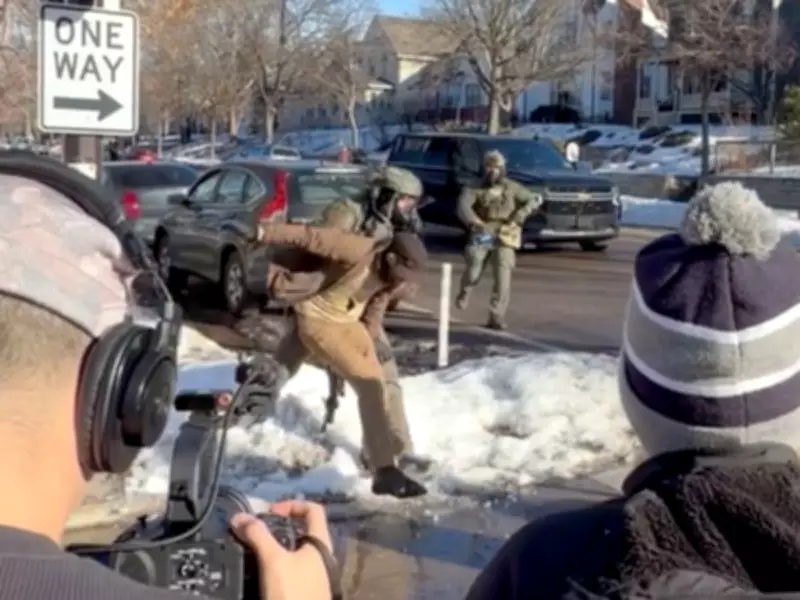
Recent incidents involving U.S. Immigration and Customs Enforcement (ICE) and Border Patrol agents in Minneapolis have sparked significant controversy, largely due to members of the public capturing the events on their smartphones. These recordings have ensured that official government narratives cannot go unchallenged, creating discomfort within the Trump administration. Like previous administrations and likely future ones, officials are uneasy about grassroots efforts to monitor government activities through independent documentation.
Constitutional Protections and Public Sentiment Support Recording
Both the U.S. Constitution and prevailing public sentiment firmly support independent efforts to publicize the conduct of government employees. This legal foundation provides citizens with the right to record officials performing their duties in public spaces, gather information about their actions, and disseminate that information freely. The administration's discomfort with this practice highlights a tension between government transparency and control over public narratives.
Recent Violent Incidents and Contradictory Evidence
The controversy intensified following months of sometimes violent protests against the Trump administration's aggressive deportation policies. In December, a Department of Homeland Security representative warned Reason magazine that following or recording federal law enforcement officers could constitute obstruction of justice, with threats of prosecution. This statement preceded the fatal shootings of Renée Good and Alex Pretti by federal officers.

In both cases, administration officials quickly asserted that agents were justified in their actions. However, freelance video and audio recordings posted online contradicted these official accounts. Daniel Sarkin of NBC News reported that shaky smartphone videos captured by bystanders in bitter cold conditions became foundational to public understanding of the killings, despite not answering every question about the incidents.
Administration Backpedals When Confronted With Evidence
The existence of these recordings has forced administration officials to reconsider their initial statements. Particularly in the case of Alex Pretti, officials had to walk back their insistence that he attacked federal officers when video evidence clearly contradicted this claim. While interpretations of the recordings continue to be debated between MAGA supporters and a growing segment of the public that disagrees with official narratives, the videos have ensured that government spokespeople cannot present unchallenged versions of events.
Government Efforts to Discourage Documentation
Unsurprisingly, government officials have attempted to discourage private recordings of federal agents. Being proven wrong with video evidence creates significant awkwardness for administration representatives. In recent weeks, ICE agents have detained observers who recorded their activities and threatened to classify them as "domestic terrorists." Independent journalist Ken Klippenstein reports that DHS has ordered officers to gather details about anyone recording their actions.
The fundamental challenge for the Trump administration—and for employees at any level of government—is that recording officials conducting public business, gathering data about them, and publishing that information remains perfectly legal under U.S. law. This creates an ongoing tension between government operations and public accountability that will likely continue regardless of which administration holds power.






