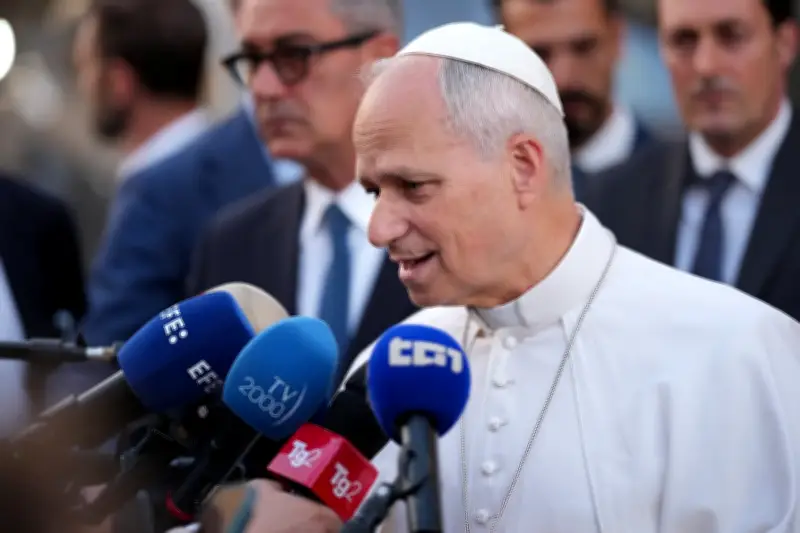
A growing number of traditionalist Catholics are openly defying Pope Leo XIV, rejecting his efforts to modernize the Church and instead embracing their identity as outsiders within the global Catholic community. According to a report by The Associated Press, these groups are resisting changes to liturgy, doctrine, and Church governance, viewing them as a departure from essential traditions.
Roots of the Defiance
The resistance centers on Pope Leo XIV's reforms, which include greater inclusivity in liturgical practices, a push for decentralized decision-making, and a focus on social justice issues. Traditionalists argue that these changes undermine the Church's foundational teachings, particularly around the Latin Mass and moral doctrine. The movement has gained traction through online networks, independent parishes, and gatherings where the pre-Vatican II Tridentine Mass is celebrated.
Growing Isolation
Many traditionalist communities have chosen to separate from mainstream dioceses, establishing their own chapels and schools. Father John Thompson, a traditionalist priest in the United States, stated: "We are not schismatics, but we cannot in good conscience follow a path that we believe leads away from the faith of our fathers. We are simply holding firm." The Vatican has responded with cautious dialogue but has not taken punitive measures, hoping to avoid a formal split.

Impact on the Church
The defiance presents a significant challenge to Pope Leo XIV's papacy, which began in 2025. While the number of traditionalists is relatively small—estimated at less than 5% of the world's 1.4 billion Catholics—their vocal opposition has amplified divisions. Church historian Dr. Maria Rossi noted: "This is not a mass exodus, but it is a persistent and organized resistance that could shape the Church's future direction." The pope has emphasized unity, but traditionalists remain unmoved, viewing their outsider status as a badge of fidelity.