

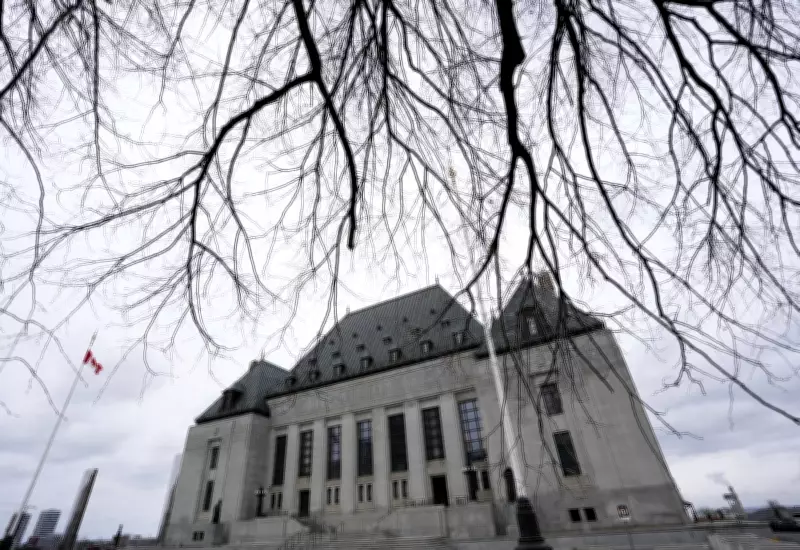
The Supreme Court of Canada is poised to hear pivotal arguments regarding Quebec's contentious secularism law, formally known as Bill 21, with a specific focus on the application of the constitutional notwithstanding clause. This landmark legal battle, scheduled for hearings, has ignited intense national debate over religious freedoms and provincial authority.
Background of the Case
Bill 21, enacted by the Quebec government, prohibits public sector employees in positions of authority—including teachers, police officers, and judges—from wearing religious symbols such as hijabs, turbans, or kippahs while on duty. The law invokes Section 33 of the Canadian Charter of Rights and Freedoms, commonly referred to as the notwithstanding clause, which allows provinces to override certain Charter rights for a renewable five-year period.
Legal Challenges and Implications
Multiple legal challenges have been mounted against Bill 21, arguing that it infringes upon fundamental rights to freedom of religion and equality. Critics contend that the law disproportionately affects religious minorities and undermines Canada's multicultural fabric. Proponents, however, assert that it upholds Quebec's secular values and promotes state neutrality.

The Supreme Court's decision to hear this case marks a critical juncture, as it will examine the scope and limits of the notwithstanding clause. Legal experts anticipate that the ruling could set a precedent for how provinces utilize this constitutional tool in the future, potentially reshaping the balance between individual rights and legislative power.
National and International Reactions
The case has garnered widespread attention, with advocacy groups, religious organizations, and political leaders weighing in. Human rights organizations have condemned the law as discriminatory, while some Quebec officials defend it as essential for preserving the province's distinct identity. International observers are also monitoring the proceedings, given its implications for secularism and human rights globally.
As the Supreme Court prepares to deliberate, the outcome is expected to have far-reaching consequences for Canadian jurisprudence, influencing not only Quebec but also other provinces considering similar legislation. The hearings will likely delve into complex constitutional questions, making this one of the most significant cases in recent Canadian legal history.






