

Supreme Court Ruling on Conversion Therapy Ban Ignites Free Speech and Healthcare Regulation Concerns
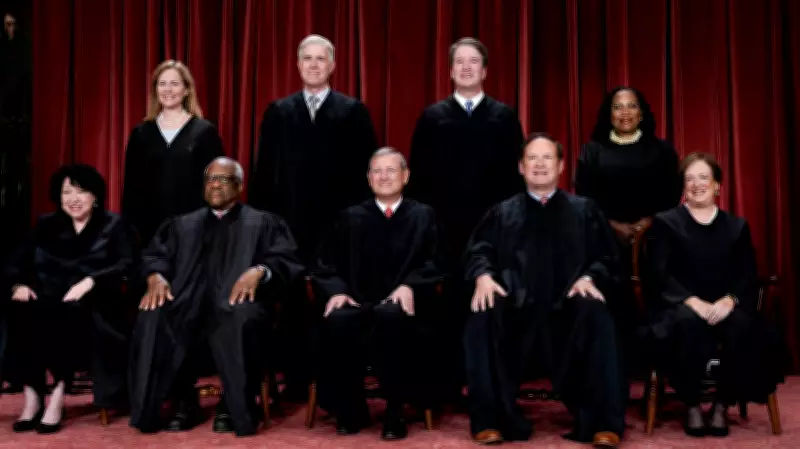
A recent Supreme Court decision has sent shockwaves through legal and healthcare communities, with experts warning of far-reaching consequences for professional regulation and LGBTQ+ protections. Last week, the justices ruled 8-1 that Colorado's law banning conversion therapy for minors violated the free speech rights of a conservative therapist, a move that could reshape how state medical boards oversee various health services.
Implications for Healthcare Regulation and Free Speech
The court's decision in Chiles v. Salazar centered on Colorado's 2019 Minor Conversion Therapy Law, which prohibited licensed mental health providers from attempting to change a child's sexual orientation or gender identity. Plaintiff Kaley Chiles, a licensed Christian therapist, argued the law barred her from counseling minors who expressed desires to "resist same-sex relationships" or avoid being transgender. Unlicensed religious counselors were exempt from the regulation.
Justice Neil Gorsuch, writing for the majority, stated, "The First Amendment stands as a shield against any effort to enforce orthodoxy in thought or speech in this country," effectively treating professional speech similarly to other forms of expression. This has raised alarms among First Amendment scholars, who fear the ruling could subject numerous healthcare laws to constitutional challenges.

"What could happen is now a bunch of laws are subject to First Amendment attack that weren't subject to First Amendment attack on Tuesday," said Luke Smith Morgan, an assistant professor of law at Campbell Law School in North Carolina. He added that states with conversion therapy bans may face successful legal challenges, as the court's application of strict scrutiny review sets a high bar for justifying such regulations.
Broader Impact on Medical Boards and Professional Licensing
Legal experts caution that the decision could undermine the authority of state medical boards to regulate healthcare practices involving speech, such as talk therapy, telehealth, and physician advice on topics like vaccines. By classifying talk therapy as "speech" rather than professional conduct, the ruling opens the door for practitioners to claim First Amendment violations against licensing requirements.
"That's sort of the implication of the opinion — that the state can't regulate therapists at all," explained Laura Portuondo, a constitutional law professor at the University of Houston Law Center. In her dissent, Justice Ketanji Brown Jackson warned of a "slippery slope" where medical practitioners might use this newfound constitutional right to provide substandard care.
The ruling has already emboldened other legal challenges. For instance, mental health professionals in California and New Jersey are citing First Amendment concerns to contest telehealth laws that restrict cross-state treatment. Similarly, anti-vaccine groups, including Children's Health Defense founded by Robert F. Kennedy Jr., have applauded the decision, seeing it as a tool to challenge laws against COVID-19 misinformation.
Threats to LGBTQ+ Protections and Historical Context
This decision represents a significant setback for LGBTQ+ advocates, coming amid a pattern of rulings by the Supreme Court's 6-3 conservative majority that favor free speech claims from Christian conservatives over anti-discrimination protections. Conversion therapy has been widely discredited by major medical organizations, with studies linking it to higher rates of suicidality, depression, and anxiety among LGBTQ+ youth. Twenty-three states and Washington, D.C., have outlawed the practice, but these bans are now at risk.
Portuondo noted that the court has become "highly deferential to red states" and has rolled back many legal protections for LGBTQ+ people and women in recent years. "When you zoom out and look at all the cases together, you see the way that the ambiguities in the doctrine are always resolved in favor of states, governments or people who want to enforce traditional gender norms," she said.

Experts warn that if therapists and doctors can routinely invoke First Amendment rights against regulation, it could render medicine and other industries "unregulatable," with untold ramifications for the quality of professional care in the United States. The case has been remanded to the 10th Circuit for further arguments, leaving the future of healthcare regulation and free speech in a state of uncertainty.





