

Supreme Court's Bill 21 Case Marks Pivotal Moment for Quebec's Future
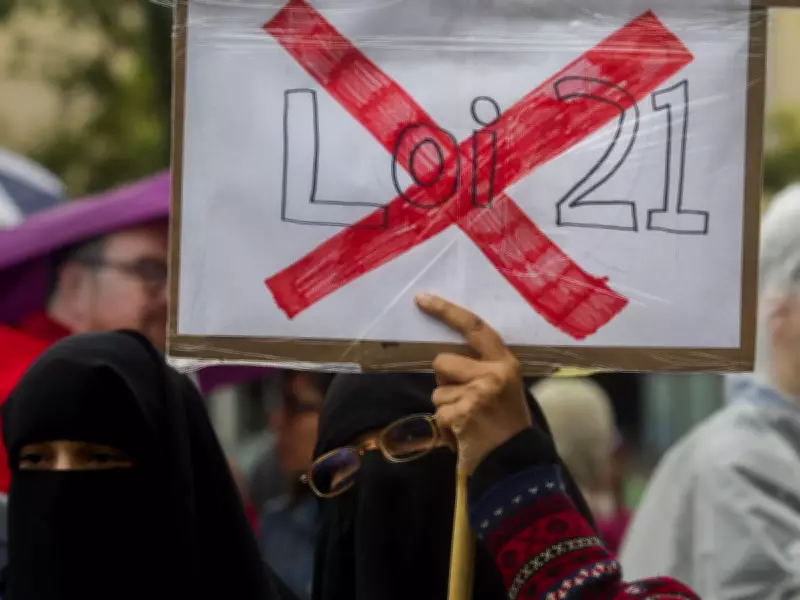
On Monday, March 23, the Supreme Court of Canada will commence a landmark four-day hearing on the final appeal against Quebec's controversial secularism law, known as Bill 21. This case represents a significant judicial milestone, as the highest court in the nation has agreed to review the legislation despite previous rulings from the Quebec Superior Court and Quebec Court of Appeal. Those lower courts had determined they could not address fundamental rights issues due to the Quebec government's pre-emptive use of the notwithstanding clause, which effectively suspended those rights under the legislation.
Broad Participation and Federal Intervention
More than fifty interveners are expected to participate in the proceedings, underscoring the case's national importance. Of particular note is the intervention by the federal government, which plans to argue that the court must establish constitutional limits on the use of the notwithstanding clause. This clause, embedded in the Canadian Charter of Rights and Freedoms, allows governments to override certain rights temporarily, but its application in Bill 21 has sparked widespread debate about fundamental freedoms.
Many Canadians across the country believe that governments should not possess the authority to arbitrarily suspend fundamental rights through such a clause. There is a strong hope among advocacy groups, including the Canadian Civil Liberties Association and the Canadian Bar Association, that the Supreme Court will set clear boundaries for the future use of the notwithstanding clause, ensuring it is not employed lightly or without justification.

Timing and Political Implications
Given the complexity and far-reaching consequences of this appeal, a decision is not anticipated for several months, likely extending beyond the Quebec election scheduled for October. However, if the ruling is delivered before the election, it is certain to become a central issue in the political discourse. Parties such as the Parti Québécois and Coalition Avenir Québec are expected to vehemently oppose any perceived federal interference in Quebec's sovereign authority, as expressed through its National Assembly. This dynamic will inevitably bring the crucial issues of fundamental and minority rights to the forefront of public debate.
A Defining Election for Quebec
Regardless of the Supreme Court's decision on Bill 21, the upcoming Quebec election will be a pivotal event that shapes the province's trajectory. It presents a defining choice between two distinct societal visions: one of a Quebec entrenched in identity politics, characterized by insecurity and insularity, and another of a self-assured, fair Quebec dedicated to enhancing the socio-economic well-being of all its citizens. Liberal Leader Charles Milliard faces the steep challenge of convincing the electorate of the wisdom of embracing the latter vision. Supporters believe he possesses the necessary will, vision, talent, and discipline to meet this challenge and steer Quebec toward a more open-minded and progressive future.
Governance Challenges and Legislative Reforms
Should a Liberal government be elected, it will inherit significant obstacles, including a historic deficit and deteriorating essential services, particularly in health care. Restoring effective governance will be a daunting yet achievable task if priorities are set with common sense and executed with integrity and effectiveness. The new government would also confront a legacy of illiberal laws and measures. While some, like punitive measures against universities, could be corrected relatively easily, others, such as regressive laws, present more complicated challenges.
Legislative reversal is often painstaking and time-consuming, as evidenced by experience in both Quebec and federal parliaments. However, there is an expectation for the abrogation or significant amendment of egregious provisions within regressive laws. Additionally, there should be a commitment to allow the notwithstanding clause to lapse on its five-year anniversaries and to avoid its pre-emptive use in future legislation. In exceptional cases where post-judgment consideration of the clause is necessary, it should be subject to broad consultation and require a two-thirds majority vote.

Striving for Stability in a Volatile World
In an era marked by increasing unpredictability and volatility, where the rule of law and accepted norms are often ignored, the pursuit of normalcy and stability becomes more critical than ever. There is a growing yearning for a return to a society grounded in rights and justice. The outcome of the Supreme Court case and the Quebec election will significantly influence whether Quebec moves toward such a society or remains divided by identity politics.
Clifford Lincoln, who resigned from the Quebec cabinet in 1988 over the use of the notwithstanding clause in Bill 178 concerning language on commercial signs, and later served as a federal MP, provides this analysis from his home in Baie-D’Urfé. His insights highlight the enduring importance of this legal and political battle for Quebec's future.





