

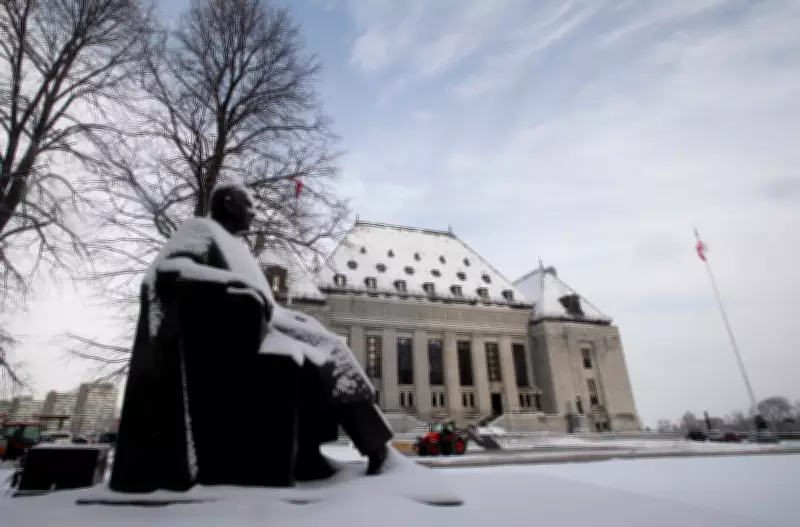
Quebec's Electoral Map Redistricting Case Advances to Supreme Court of Canada
The Supreme Court of Canada is set to adjudicate a high-stakes legal challenge concerning the redrawing of Quebec's electoral map. This case, which has garnered substantial attention from political analysts and constitutional experts, centers on allegations that the proposed redistricting may unfairly alter political representation across the province. The outcome of this litigation could have profound consequences for future elections and the democratic process in Quebec.
Background and Legal Context
The dispute originated from revisions to Quebec's electoral boundaries, a process typically undertaken to reflect population changes and ensure equitable representation. Critics argue that the new map, if implemented, could disproportionately affect certain constituencies, potentially skewing electoral outcomes. The case has progressed through lower courts, with conflicting rulings prompting the appeal to the nation's highest judicial authority.
Legal scholars emphasize that this case touches on fundamental principles of electoral fairness and constitutional rights. The Supreme Court's decision will likely set a precedent for how electoral redistricting is handled not only in Quebec but potentially across Canada, influencing similar disputes in other provinces.

Implications for Political Representation
At the heart of the controversy is the balance between demographic shifts and political equity. Proponents of the redrawn map contend that it accurately mirrors Quebec's evolving population distribution, ensuring that each vote carries equal weight. However, opponents allege that the changes could marginalize specific communities or political groups, undermining the integrity of the electoral system.
This legal battle underscores the ongoing tensions between legislative autonomy and judicial oversight in matters of electoral reform. As Quebec prepares for upcoming provincial elections, the Supreme Court's ruling will be closely watched by politicians, activists, and voters alike, as it may reshape the political landscape for years to come.
Next Steps and Broader Significance
The Supreme Court has scheduled hearings to review the case, with arguments expected to focus on constitutional provisions related to representation and equality. A decision is anticipated within the coming months, and it could either uphold the redrawn map or mandate further revisions.
Beyond Quebec, this case highlights the critical role of the judiciary in safeguarding democratic norms. In an era of increasing political polarization, the Supreme Court's involvement serves as a reminder of the importance of impartial legal mechanisms in resolving contentious electoral issues. The outcome will not only affect Quebec's political dynamics but also contribute to the broader discourse on electoral justice in Canada.






