

Environmental Organizations Launch Constitutional Challenge Over Ontario's Special Economic Zones
Environmental groups have initiated a significant constitutional challenge against the Ontario government's creation of special economic zones, arguing that the legislation undermines fundamental environmental protections and democratic participation rights. The legal action targets Bill 5, which establishes these zones with streamlined approval processes that critics claim bypass essential environmental safeguards.
The Core of the Legal Challenge
The coalition of environmental organizations contends that the special economic zones legislation violates multiple sections of the Canadian Charter of Rights and Freedoms. Specifically, they argue that the bill infringes upon rights to public participation in environmental decision-making and fails to adequately protect ecological integrity. The challenge asserts that the legislation creates a two-tier system where certain development projects can proceed with minimal environmental oversight, potentially endangering sensitive ecosystems and communities.
"This legislation represents a dangerous erosion of environmental democracy," stated a spokesperson for the coalition. "By creating special zones where normal environmental rules don't fully apply, the government is prioritizing economic interests over the constitutional rights of citizens to participate in decisions affecting their environment and health."

Background and Context
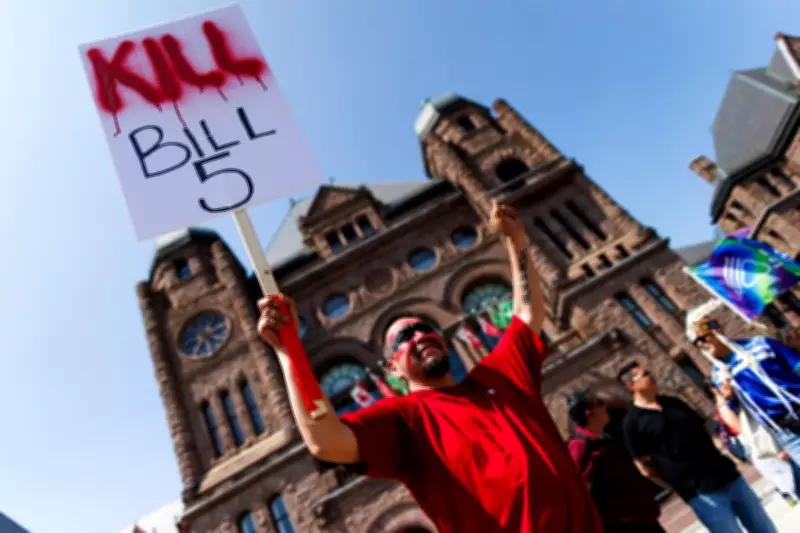
The constitutional challenge follows months of public opposition to Bill 5, including demonstrations outside Queen's Park in Toronto where protesters gathered to voice their concerns. The legislation, passed earlier this year, establishes designated areas where development projects can receive expedited approvals with reduced environmental assessment requirements. Proponents argue these zones will stimulate economic growth and job creation, while opponents warn of potentially irreversible environmental damage.
The environmental groups point to several specific concerns with the legislation:
- Reduced requirements for environmental impact assessments in designated zones
- Limited opportunities for public consultation and input
- Potential threats to protected species and habitats
- Weakened oversight of industrial development in sensitive areas
Legal Arguments and Potential Implications
The constitutional challenge argues that Bill 5 violates Section 7 of the Charter, which guarantees the right to life, liberty and security of the person, by potentially exposing communities to environmental hazards without adequate safeguards. Additionally, the groups contend the legislation infringes upon Section 2(b) rights to freedom of expression by limiting meaningful public participation in environmental decisions.
"This isn't just about environmental protection—it's about democratic accountability," explained a legal representative for the environmental coalition. "When governments create special zones where normal rules don't apply, they're essentially creating areas where constitutional rights are diminished. That sets a dangerous precedent for all Canadians."
The outcome of this constitutional challenge could have far-reaching implications for environmental governance across Canada. If successful, it could force the Ontario government to revise the legislation to include stronger environmental protections and more robust public consultation processes. The case is expected to proceed through the courts over the coming months, with both sides preparing extensive legal arguments.
This legal action represents the latest development in an ongoing debate about balancing economic development with environmental protection in Ontario. As the constitutional challenge moves forward, it will likely spark further discussion about how governments can pursue economic growth while respecting constitutional rights and environmental sustainability.






