

A senior White House official has ignited a constitutional controversy by claiming that local police in a major U.S. city were instructed to surrender their authority to federal agents. The allegation adds fuel to an already volatile situation stemming from a fatal shooting during an immigration enforcement operation.
Miller's Late-Night Allegation Sparks Legal Debate
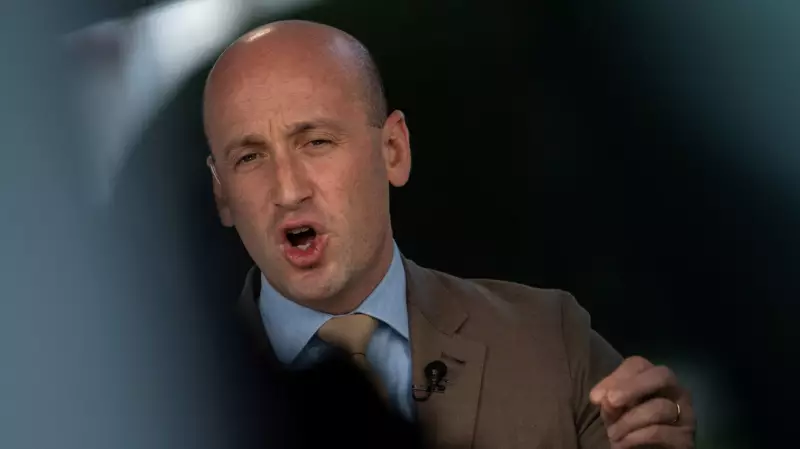
In a social media post on the evening of January 18, White House deputy chief of staff Stephen Miller made a startling claim. He asserted that police in Minneapolis, both at the city and state level, had been directed to "stand down and surrender" to federal authorities. "Only federal officers are upholding the law," Miller wrote on the platform X, formerly known as Twitter.
This statement was a direct response to a post from New York Post columnist Miranda Devine, who suggested local law enforcement had gone absent without leave during ongoing protests related to Immigration and Customs Enforcement (ICE). Legal experts were quick to point out a critical omission in Miller's claim: the U.S. Constitution's 10th Amendment generally prevents the federal government from commanding state and local police forces, a foundational principle of American federalism.

The Incident That Ignited the Crisis
The current turmoil traces back to an operation earlier in January in Minneapolis, where an ICE officer, later identified as Jonathan Ross, shot and killed 37-year-old Renee Good. The shooting immediately triggered widespread public outrage and persistent protests against federal immigration enforcement tactics.
The Trump administration escalated tensions by labelling Good's actions as "domestic terrorism." This characterization was forcefully echoed by Homeland Security Secretary Kristi Noem during a January 8 press conference at the Texas border. Noem claimed Good "attacked [ICE agents] and those surrounding them" and "attempted to run them over and ram them with her vehicle." However, these claims have been challenged by video footage of the incident circulating publicly, which witnesses say does not support the administration's narrative.
An Escalating Federal-State Confrontation
In the wake of the shooting, a significant power struggle has emerged. The Trump administration has actively worked to block Minnesota state authorities from participating in the FBI's independent investigation into the death of Renee Good. This move has been perceived as an attempt to control the narrative and findings of the case.
This is not Miller's first inflammatory remark regarding the situation. Just last week, he accused Minnesota officials of staging "an insurgency against the federal government" due to their criticism of expanding ICE operations in Minneapolis. He argued that allowing cities and states to create their own immigration laws would dismantle the republic, directly challenging Minneapolis Mayor Jacob Frey, Minnesota Attorney General Keith Ellison, and Governor Tim Walz.
The confrontation intensified over the weekend. Mayor Frey, who earlier this month told ICE agents to "get the fuck out of Minneapolis," strongly condemned the Pentagon for ordering approximately 1,500 active-duty soldiers to prepare for potential deployment to Minnesota. Appearing on CNN's "State of the Union" on Sunday, Frey told host Jake Tapper the military move was "ridiculous" and "clearly designed to intimidate the people of Minneapolis."
As of now, the White House and Minneapolis local law enforcement have not provided official comments in response to recent requests. The standoff presents a profound test of jurisdictional boundaries and continues to deepen political divisions.






