

Civil Rights Alarms Sound Over Global Entry Revocations Following DHS Encounters
The potential use of Global Entry revocation as a tool for retribution by the Trump administration or Homeland Security agents has sparked significant concern among civil rights advocates. This issue highlights broader questions about government overreach and the protection of fundamental freedoms.
A Tense Encounter in a San Diego Parking Lot
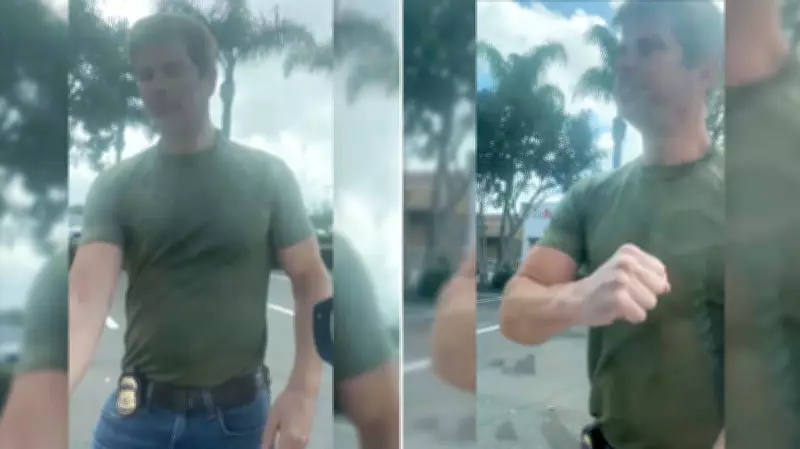
On April 1, Anna Walker, 31, found herself in a harrowing situation while following an unmarked pickup truck driven by a federal agent through a Target parking lot. The vehicle abruptly stopped, and as an unmarked SUV pulled up behind her, Walker was boxed in. The agent exited the pickup, approached her locked Volkswagen EV, and attempted to open the door. When unsuccessful, he forcefully pounded on her window, threatening arrest for "impeding" their work.
Walker recorded parts of the encounter on her cellphone, which showed her remaining in her car without arrest. The agents, identified as part of Homeland Security Investigations under Immigration and Customs Enforcement, departed after about 15 minutes. However, Walker sensed the ordeal might not be over.

Global Entry Privileges Revoked Without Explanation
In the days following the incident, Walker periodically checked the government's Trusted Traveler website, fearing retaliation. Her suspicions were confirmed when, five days later, she received an email notifying her of a "recent change" to her status, revoking her Global Entry certification as a low-risk traveler. "I knew when they were taking videos of me and my license plates, I was like, 'There goes my Global Entry,'" Walker recounted, referencing similar cases during Trump's immigration crackdown.
U.S. Customs and Border Protection, which oversees the Trusted Traveler programs, provided no reason for the revocation. Walker emphasized that while Global Entry is a privilege, not a right, its removal as potential retaliation for exercising First Amendment rights creates a dangerous precedent.
Restoration After Media Inquiry, but Questions Remain
After HuffPost inquired with the Department of Homeland Security about Walker's case, her Global Entry was restored within days. However, DHS has not commented publicly, leaving uncertainties about the initial revocation's basis. Walker is among three individuals interviewed by HuffPost who believe their Global Entry was revoked due to lawful observation of agents, including cases in Minnesota and South Carolina where threats of arrest were made but no charges filed.
Recent revelations indicate that CBP plans to review recommendations for revoking Global Entry based on "encounters" with officers, many reassigned to assist ICE in inland operations. Typically, revocations result from criminal charges or customs violations, not peaceful observation.
Legal and Civil Rights Implications
Sara Robinson, a staff attorney with the ACLU's National Security Project, warned that this issue extends beyond airport convenience. "It's about whether the government is punishing speech it dislikes and seeking to deter people from exercising their fundamental freedoms," she stated. Walker, acting as a legal observer after learning of ICE operations via an Instagram livestream by activist Arturo Gonzalez, aimed to film agents if detentions occurred, asserting she never interfered with law enforcement.
During the encounter, Walker called 911 but was put on hold, while local photojournalist Ed Baier captured the scene, noting her vulnerable position. "She was in a precarious spot. She could have been physically hurt or shot or killed," Baier remarked, referencing past incidents like the shooting of Renée Good in Minnesota.
Ongoing Concerns and Broader Impact
Before her Global Entry was restored, Walker expressed worries about being placed on a government watchlist. "Now am I considered a domestic terrorist because I recorded agents?" she questioned. Revocations can be reviewed by an ombudsman or through public records requests, but these processes often take months, delaying resolution.

This case underscores a growing trend where individuals face administrative penalties for engaging in protected activities, raising alarms about transparency and accountability within federal agencies. As civil rights advocates monitor these developments, the balance between security measures and constitutional freedoms remains a critical public debate.





